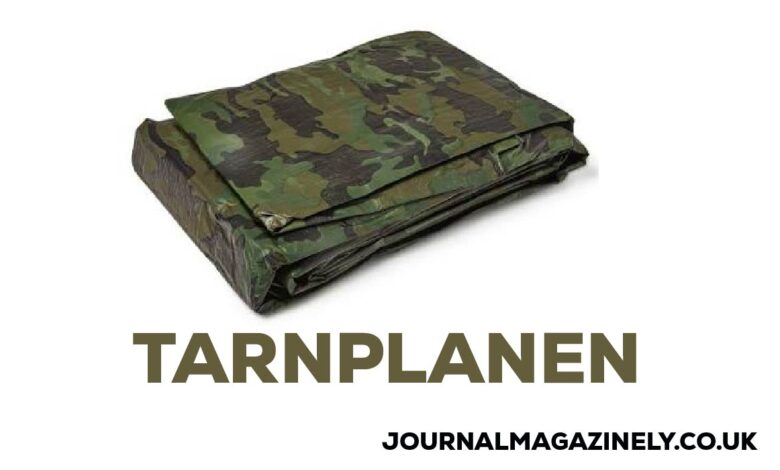
Tarnplanen is a simple but powerful outdoor tool that many people are now using around the world. In basic terms, it is a camouflage tarp designed to provide protection and concealment at the same time. The word comes from German, where “Tarn” means camouflage and “Planen” means tarp or cover. This combination explains its main purpose clearly. It is not just a plastic sheet; it is made to blend into nature while protecting you from rain, wind, and sunlight.
People from different backgrounds use tarnplanen for many reasons. Campers use it for shelter during outdoor trips, while survivalists depend on it for emergencies. Military forces also use it for hiding equipment and creating temporary shelters. Even wildlife photographers use tarnplanen to stay hidden from animals. Its wide range of uses makes it a very flexible and practical tool.
Today, tarnplanen is popular because it is strong, easy to carry, and can be used in many ways. It is lightweight enough for travel but durable enough for harsh weather. This guide will explain everything in detail, including its meaning, history, materials, uses, and how to choose the best one for your needs.
What Does Tarnplanen Mean?
Tarnplanen is best described as a camouflage tarp that is designed for both protection and concealment. Unlike normal tarps, it is created with special patterns and strong materials that help it blend into different environments. This makes it useful for people who want to stay hidden or reduce visibility while outdoors. It is commonly used in forests, deserts, snowy areas, and even urban environments.
When comparing tarnplanen with a regular tarp, the difference becomes clear. A normal tarp is usually plain in color, such as blue or green, and is mainly used to block rain or sunlight. It does not help with concealment. Tarnplanen, on the other hand, uses patterns that match natural surroundings, making it less noticeable. This feature is very important for hunting, photography, and tactical use.
Another key difference is strength and durability. Tarnplanen is usually made from stronger materials and designed to last longer under tough conditions. While regular tarps are cheaper and useful for simple tasks, tarnplanen is built for more serious outdoor use. This makes it a better choice for people who spend a lot of time in nature or need reliable protection.
History of Tarnplanen (Military Origins to Civilian Use)
The history of tarnplanen goes back to early military needs for camouflage. During World War I, soldiers started using basic camouflage techniques to hide in trenches and natural environments. These early methods were simple but effective. By World War II, camouflage technology improved, and German forces began producing tarps with patterns designed to match forests and other terrains.
During the Cold War, military equipment continued to evolve. NATO forces developed better materials and more advanced camouflage designs. Tarnplanen became more than just a cover. It was used for shelters, equipment protection, and concealment in different environments. The materials became stronger, lighter, and more weather-resistant, making them suitable for long-term use in extreme conditions.
After these wars, surplus military equipment entered the civilian market. People began to see the value of tarnplanen outside military use. Campers, hunters, and bushcraft enthusiasts started using these tarps for outdoor activities. Over time, manufacturers began producing tarnplanen specifically for civilians, making them more accessible and popular among outdoor communities.
Materials Used in Tarnplanen
Tarnplanen is made using different materials, each chosen for strength and durability. One of the most common materials is ripstop nylon, which is lightweight and resistant to tearing. Polyester is also widely used because it is strong and holds its shape well. Canvas is heavier but offers excellent durability, especially for long-term use. PVC-coated fabrics are popular for their waterproof properties and resistance to harsh weather.
Waterproofing is an important feature of tarnplanen. Most tarps use PU (polyurethane) coating or PVC coating to keep water out. These coatings prevent moisture from entering the fabric, making the tarp suitable for rain and wet environments. Seam sealing is also used to stop water from leaking through stitched areas. This ensures full protection during heavy rainfall.
Durability features are another key part of tarnplanen design. Reinforced corners help prevent tearing when the tarp is stretched or tied. Grommets or eyelets allow easy setup and secure attachment. UV resistance helps protect the tarp from sun damage, increasing its lifespan. These features make tarnplanen much stronger and more reliable than standard tarps.
Types of Tarnplanen
There are different types of tarnplanen designed for specific uses. Lightweight tarnplanen is ideal for hiking and backpacking. It is easy to carry and does not add much weight to your gear. Despite being light, it still offers good protection against rain and wind. This makes it perfect for short trips or solo travelers.
Heavy-duty tarnplanen is designed for more demanding conditions. It is thicker and stronger, making it suitable for military use or long-term outdoor setups. These tarps can handle strong winds, heavy rain, and rough handling. They are often used to cover equipment or create large shelters.
Multi-purpose survival tarps are designed for flexibility. They can be used as shelters, ground covers, or even water collectors. Reversible tarnplanen is another useful type. It has two different camouflage patterns on each side, allowing users to adapt to different environments. This makes it a versatile choice for people who travel across different terrains.
Camouflage Patterns Explained
Camouflage patterns are one of the most important features of tarnplanen. Woodland camouflage uses green and brown shades, making it suitable for forests and natural environments. It blends well with trees, leaves, and soil, helping users stay hidden in these areas.
Desert camouflage uses lighter colors such as tan and beige. These colors match sandy and dry environments. It is commonly used in desert regions where darker colors would stand out. Snow or arctic camouflage uses white and grey shades. This helps the tarp blend into snowy landscapes, making it useful in winter conditions.
Digital or multicam patterns are more advanced. They use pixel-like designs that work in multiple environments. These patterns break up the shape of objects, making them harder to recognize. Choosing the right camouflage pattern is important. If the pattern does not match the environment, it can reduce the effectiveness of concealment.
Key Uses of Tarnplanen
Tarnplanen has many practical uses in outdoor settings. For camping, it can be used as a shelter to protect against rain and sun. It can also serve as a ground sheet to keep gear dry. This makes it a useful tool for campers who want simple and reliable protection.
In survival and bushcraft situations, tarnplanen becomes even more valuable. It can be used to build emergency shelters quickly. It can also collect rainwater or block strong winds. These features make it important for people who spend time in remote areas.
Hunters and wildlife photographers use tarnplanen for concealment. It allows them to observe animals without being noticed. In military use, it is used to hide equipment and create temporary shelters. Its ability to serve multiple purposes makes it one of the most useful tools for outdoor activities.
How Tarnplanen Works
The effectiveness of tarnplanen comes from its ability to disrupt visual patterns. Human eyes recognize shapes and edges easily. Tarnplanen breaks these shapes using irregular patterns. This makes it harder for others to identify objects covered by the tarp.
Color matching is another important factor. The colors used in tarnplanen are designed to match natural environments. This helps the tarp blend in rather than stand out. When used correctly, it becomes part of the surroundings.
Some advanced tarnplanen may include features that reduce visibility under certain conditions. However, these features are usually found in military-grade equipment. For most users, the basic camouflage and color matching are enough to provide effective concealment.
Tarnplanen Sizes and Dimensions Guide
Tarnplanen comes in different sizes to meet different needs. Smaller sizes like 2×2 meters are suitable for solo use. They are easy to carry and provide enough coverage for one person. Medium sizes like 3×3 meters are more common and offer better coverage for both shelter and gear.
Larger sizes like 4×6 meters are used for groups or larger setups. These tarps can cover tents, vehicles, or multiple people. Choosing the right size depends on your needs and the type of activity you plan to do.
When selecting a size, consider both coverage and weight. Larger tarps provide more protection but are heavier to carry. Smaller tarps are lighter but offer less coverage. Finding the right balance is important for comfort and convenience.
How to Choose the Best Tarnplanen
Choosing the right tarnplanen depends on several factors. Material is one of the most important aspects. Lightweight materials are better for travel, while heavy materials are better for durability. Size is another key factor, depending on how many people or items you need to cover.
Waterproof rating is important if you expect rain. A good tarnplanen should keep water out even during heavy rainfall. Durability is also important, especially if you plan to use it frequently. Strong stitching and reinforced corners are signs of a good-quality tarp.
Budget also plays a role in the decision. Cheaper options may save money but may not last long. Premium tarnplanen offer better performance and longer lifespan. Investing in a good-quality tarp is often a better choice for long-term use.
How to Set Up Tarnplanen
Setting up tarnplanen is simple but requires some practice. Basic setups include A-frame, lean-to, and ridgeline shelters. These setups protect from rain and wind. Choosing the right setup depends on weather conditions and available space.
For a strong setup, it is important to secure the tarp properly. Using basic knots can help keep it stable. Wind direction should also be considered when placing the tarp. This helps reduce the risk of damage during strong winds.
Water drainage is another important factor. The tarp should be angled so that water flows off easily. This prevents water from collecting and causing damage. With practice, setting up tarnplanen becomes quick and easy.
Tarnplanen vs Regular Tarps
Tarnplanen and regular tarps serve similar purposes but differ in many ways. Tarn planen offers camouflage, while regular tarps do not. This makes tarnplanen better for situations where concealment is needed.
Durability is another difference. Tarnplanen is usually made from stronger materials, making it more resistant to damage. Regular tarps are often less durable and may not last as long under tough conditions.
Cost is also different. Tarnplanen is more expensive due to its advanced features. Regular tarps are cheaper but offer fewer benefits. For serious outdoor use, tarnplanen is often the better choice.
Advantages of Tarnplanen
Tarnplanen offers many advantages for outdoor users. It is highly versatile and can be used for different purposes. This makes it a valuable tool for camping, survival, and travel.
Durability is another major benefit. Tarnplanen is built to withstand harsh conditions. It can handle rain, wind, and sunlight without losing its effectiveness. This makes it a reliable choice for long-term use.
Weather protection and concealment are key features. Tarnplanen not only protects against the elements but also helps users stay hidden. This combination makes it unique compared to other tarps.
Limitations of Tarnplanen
Despite its benefits, tarnplanen has some limitations. Some models can be heavier than regular tarps. This may not be ideal for people who prefer lightweight gear.
Cost is another factor. Tarnplanen is usually more expensive than standard tarps. This may not be suitable for casual users who need basic protection.
It also requires some skill to use effectively. Setting it up properly takes practice. Additionally, it may not always be necessary for simple outdoor activities. Understanding these limitations helps users make better decisions.
Maintenance and Care Tips
Proper care can extend the life of tarnplanen. Cleaning it with mild soap helps remove dirt and debris. Avoid using strong chemicals, as they can damage the material.
Drying the tarp before storage is very important. Storing it while wet can lead to mold and damage. It should be kept in a cool and dry place.
Repairing small tears early can prevent bigger problems. Regular checks help maintain its quality. With proper care, tarnplanen can last for many years.
Is Tarnplanen Legal and Safe to Use?
Tarnplanen is legal to use in most countries. It is considered normal outdoor gear. However, users should avoid using it in restricted areas such as military zones.
Using it responsibly is important. In public places, it should not be used in a way that causes confusion or concern. Being aware of local rules can help avoid problems.
Overall, tarn planen is safe when used correctly. It is a useful tool for outdoor activities and does not pose risks when handled properly.
Where to Buy Tarnplanen
Tarnplanen can be found in many places. Military surplus stores often offer strong and reliable options. Outdoor retailers also sell tarnplanen designed for camping and travel.
Online marketplaces provide a wide range of choices. They allow users to compare prices and read reviews. This helps in making better decisions.
Before buying, it is important to check material quality, reviews, and warranty. These factors ensure that the product is reliable and worth the price.
Future Trends in Tarnplanen
The future of tarnplanen looks promising with new developments. Manufacturers are focusing on lighter materials that are easier to carry. This makes them more suitable for modern travelers.
Improved waterproofing technologies are also being developed. These provide better protection against rain and moisture. Eco-friendly materials are becoming more common, reducing environmental impact.
Camouflage patterns are also improving. New designs work better in different environments. These trends show that tarnplanen will continue to evolve and remain useful in the future.
Conclusion
Tarn planen is a reliable and versatile tool for outdoor use. It combines protection and concealment in a simple design. This makes it useful for campers, survivalists, and professionals.
Its strong materials and flexible uses make it stand out from regular tarps. While it may cost more, its benefits often make it worth the investment. It provides long-term value for people who spend time outdoors.
For anyone looking for a durable and multi-purpose tarp, tarnplanen is a smart choice. With proper use and care, it can serve as a dependable companion in many situations.
For more information, visit Journal Magazinely