Koriandri is one of the most widely used herbs in the world, yet many people still know it by different names depending on where they live. In some places, it is called coriander, while in others the fresh green leaves are known as cilantro. Even with these different names, the plant itself remains the same and continues to hold an important place in daily cooking, traditional healing, and home gardening. Its fresh leaves bring brightness to meals, while its seeds add warmth and depth to spice mixes and cooked dishes.
Koriandri is not just a simple garnish placed on food for decoration. It has a strong identity in many cultures and has been valued for centuries because of its flavor, aroma, and practical uses. From South Asian curries to Middle Eastern salads and Latin American sauces, this herb fits naturally into many food traditions and remains popular in both home kitchens and restaurants.
This article explains Koriandri in a complete and easy way, covering its meaning, history, uses, health value, growing methods, and why it still matters today.
What Is Koriandri?
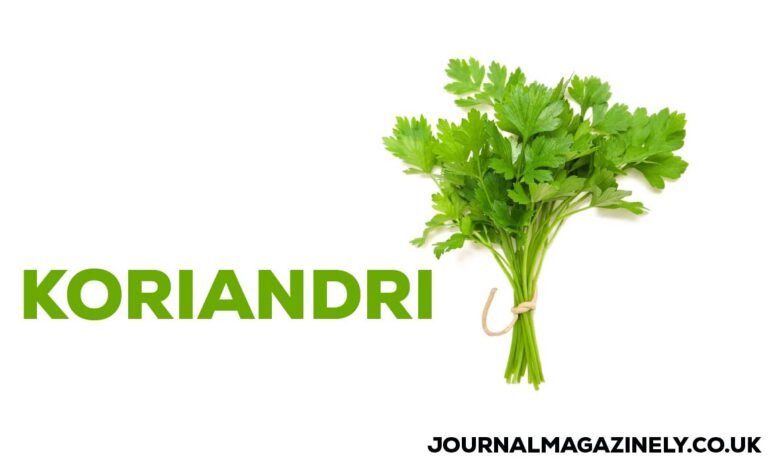
Koriandri is the common regional name for the plant scientifically known as Coriandrum sativum. It belongs to the Apiaceae family, which also includes parsley, celery, fennel, and carrots. It is an annual herb, which means it completes its life cycle in one growing season. The plant grows soft green leaves, thin stems, small white or pale pink flowers, and round light-brown seeds. Each part of the plant can be used differently, making it one of the most versatile herbs in the kitchen.
The fresh leaves of Koriandri are often used to add a sharp, lively, and slightly citrus-like taste to food. The seeds, however, have a warmer, more earthy flavor and are commonly dried, toasted, or ground into powder. In some cuisines, even the roots are used because they carry a stronger and deeper aroma than the leaves.
Because it gives so much value in such a small plant, Koriandri is seen as both a herb and a spice, depending on how it is used.
Koriandri, Coriander, and Cilantro Difference
One reason many people become confused about Koriandri is the way different countries use different names for the same plant. In South Asia, people often use the words Koriandri or dhania for both the fresh leaves and the seeds. In many English-speaking regions outside North America, coriander can refer to the whole plant. Also, In the United States, however, people usually call the fresh leaves cilantro and the dried seeds coriander. This naming difference often creates misunderstanding for readers, cooks, and even gardeners.
The important thing to understand is that cilantro and coriander do not come from different plants. They are simply different parts of the same plant, and the names change based on local language habits. The leaves are softer, fresher, and stronger in green aroma, while the seeds are drier, warmer, and more suitable for spice blends and long cooking.
When writing about this topic for a broad audience, it is smart to mention all three terms clearly so readers immediately know that Koriandri, coriander, and cilantro are connected.
Origin and Early History of Koriandri
Koriandri has a very old history that reaches back thousands of years. It is believed to have originated in areas stretching from the Mediterranean region to parts of southwestern Asia. Because it adapted well to dry and temperate climates, the herb spread widely through trade, farming, and migration. Ancient people valued it not only for flavor but also for its possible medicinal and preservative qualities. That early usefulness helped it become part of many civilizations long before modern agriculture.
Historical records and archaeological findings show that coriander was known in ancient Egypt, Greece, and Rome. It was used in food, herbal mixtures, and sometimes even in ceremonial or burial settings. Over time, traders carried it east into South Asia and west into Europe, and later it moved into the Americas through colonial routes and global farming systems.
This long journey explains why Koriandri now feels familiar in many cultures. Few herbs have managed to travel so widely and remain so useful in daily life. Its long history adds depth to its identity and makes it more than just an ordinary cooking ingredient.
Botanical Features of Koriandri
Koriandri is a delicate-looking plant, but it has a very practical and productive nature. It usually grows between one and two feet tall, though size can change depending on the climate, soil, and growing conditions. The lower leaves are broad and soft, while the upper leaves tend to be thinner and more feathery. This change in leaf shape is one of the interesting visual features of the plant. Its flowers are small and light in color, and after flowering, they produce round seeds that are harvested for spice use.
The plant grows quickly and prefers cooler weather, especially during the early stages of development. When the weather becomes too hot, it often bolts, meaning it sends up flower stalks quickly and stops producing tender leaves. This is why many gardeners try to grow it during mild seasons. The roots are thin but aromatic and can also be used in certain cuisines.
Its beauty lies in its full usefulness. Leaves, stems, roots, flowers, and seeds all play a role, making Koriandri one of the most complete edible herbs.
Flavor, Aroma, and Why It Stands Out
The flavor of Koriandri is one of the main reasons it remains unforgettable. The fresh leaves have a bright, green, slightly peppery taste with citrus notes that can lift the flavor of simple food almost instantly. For people who enjoy it, Koriandri adds freshness and character that many other herbs cannot replace. It makes rich dishes feel lighter and sharper, and it brings balance to spicy, salty, and oily foods. That is why it is often added at the end of cooking rather than at the start.
The seeds offer a very different experience. They are warm, soft, nutty, and mildly citrusy, with a gentler and rounder flavor than the leaves. When toasted, they release an even deeper aroma and work beautifully in curries, soups, roasted dishes, and spice blends. The roots, where used, are even stronger and more earthy.
What makes Koriandri special is this dual personality. One plant gives both freshness and warmth, making it valuable in many styles of cooking and seasoning.
Culinary Uses of Koriandri Around the World
Koriandri is deeply connected to world cuisine because it can be used in so many ways. In South Asian cooking, the fresh leaves are often added to curries, dals, rice dishes, chutneys, and street food. The seeds are used whole or ground in spice blends and masalas that form the flavor base of many meals. In Middle Eastern food, Koriandri appears in salads, soups, stews, meat dishes, and spice mixtures. Also, In Mexican cooking, the fresh leaves are popular in salsa, tacos, guacamole, and grilled foods.
In Thai and Vietnamese cuisine, the leaves and roots are especially important. They are used in soups, broths, dipping sauces, marinades, and curry pastes. In some African and Mediterranean dishes, coriander seeds bring gentle warmth to slow-cooked meals and breads. The plant moves easily between fresh and cooked uses, which is a major reason for its global popularity.
Koriandri is not limited to one cooking style. It works in light food, heavy food, hot food, and cold food, which gives it lasting power in kitchens everywhere.
How to Grow Koriandri at Home
Koriandri is a good herb for home gardeners because it grows fast and does not need very complicated care. It does best in well-drained soil with moderate sunlight and steady moisture. Many people grow it in garden beds, but it also grows well in pots, containers, and even balcony planters if it gets enough light. Because the plant has a delicate root system, it usually performs better when seeds are sown directly where the plant will grow, instead of being transplanted later.
The seeds should be planted shallowly in loose soil and watered gently. They often sprout within one to two weeks, depending on temperature and moisture. Once the plant starts growing, regular trimming of the leaves can help keep it productive for a longer time. If the weather becomes too hot, the plant may flower early, which reduces leaf production.
For gardeners who want a steady supply, planting small batches every few weeks is a smart method. With simple care and timing, Koriandri can provide fresh leaves for many weeks.
Nutritional Value of Koriandri
Koriandri is not only flavorful but also nutritionally useful. The fresh leaves contain vitamins A, C, and K, along with small amounts of minerals and antioxidant compounds. Vitamin K is important for bone health and blood clotting, while vitamin C supports the immune system and helps the body protect itself from daily stress. The leaves also add flavor without adding many calories, which makes them a smart ingredient for people who want lighter but still tasty meals.
The seeds have a different nutritional profile from the leaves. They contain fiber, plant compounds, and aromatic oils that give them both culinary and traditional health value. These seeds are often included in spice blends not just for flavor but also because they have long been associated with digestive comfort. Whole seeds also store well, which makes them useful in the pantry for long periods.
Although Koriandri is often used in small amounts, its value comes from how often it can be included in food. Small additions over time can make both meals and meal quality better.
Health Benefits of Koriandri
Koriandri has been used in traditional food systems and natural healing practices for a long time because people believed it could support the body in several ways. One of its most common traditional uses is for digestion. Fresh leaves and seeds have often been used after meals to help reduce heaviness, gas, and bloating. The seeds, in particular, are often linked with digestive ease and are sometimes included in herbal drinks or simple home remedies.
Koriandri also contains antioxidant compounds, which are useful because antioxidants help protect cells from daily damage. Some people also value it for its possible anti-inflammatory and antimicrobial properties. There is also interest in coriander seeds because they may support healthy blood sugar balance and general metabolic health, though food use should always be seen as support, not as a cure.
Its health reputation comes from both history and continued interest in natural foods. While it should not replace proper medical care, Koriandri can be a helpful part of a balanced diet built around fresh, varied, and simple ingredients.
Why Some People Dislike the Taste of Koriandri
Koriandri is famous not only because many people love it, but also because some people strongly dislike it. For these individuals, the fresh leaves may taste unpleasant or even similar to soap. This reaction is not simply about being picky with food. Research and public discussion on this topic suggest that genetics play a role in how some people experience the smell and flavor of coriander leaves. Certain people are more sensitive to natural compounds in the plant, and that changes how the flavor is perceived.
Interestingly, many people who dislike the fresh leaves still tolerate or enjoy the dried seeds because the flavor of the seeds is much warmer and milder. This shows that the dislike is often connected to the leaf aroma, not the whole plant. Cultural exposure may also matter, because people who grow up eating Koriandri regularly may become more comfortable with its taste over time.
This strong divide has only made Koriandri more interesting. It is one of the few herbs that creates such a personal reaction, which adds to its unique identity.
Cultural Importance of Koriandri
Koriandri holds strong cultural value in many parts of the world because it is tied to daily meals, family traditions, and regional identity. In South Asia, it is almost impossible to imagine many home-cooked meals without fresh dhania on top or coriander powder inside the dish. It is seen not only as a flavoring ingredient but also as part of the natural rhythm of cooking. In many homes, a bunch of fresh coriander is as basic as onions or salt.
In Middle Eastern and Mediterranean cultures, Koriandri also has a long-standing role in soups, salads, meats, and festive meals. Also, in Latin America, fresh cilantro is closely linked with street food, fresh salsa, and everyday cooking. These repeated uses over generations have made the herb emotionally familiar, not just practically useful.
Its cultural value comes from repetition, memory, and comfort. People often connect the smell of Koriandri with childhood meals, market visits, and homemade food. That emotional connection makes the herb more powerful than its simple appearance might suggest.
Buying, Storing, and Preserving Koriandri
If you want the best flavor from Koriandri, it is important to buy and store it properly. When choosing fresh bunches, look for leaves that are bright green, lively, and free from yellowing or slimy texture. The stems should look moist rather than dry and weak. Fresh Koriandri loses quality quickly if it is not stored well, so it should be used within a few days for the best taste and aroma. Washing it only when needed can also help extend freshness.
For storage, many people wrap the herb loosely in a slightly damp paper towel and place it in the refrigerator. Another useful method is to stand the stems in a little water and cover them lightly, almost like a small bouquet. The seeds are far easier to store and can last for many months in an airtight jar kept away from heat and moisture.
You can also freeze chopped leaves for later use, though the texture changes. Proper storage helps preserve both flavor and value.
Final Thoughts
Koriandri is generally safe when used as a normal food ingredient, and most people can enjoy it without concern. Still, like any herb or spice, it may not suit everyone equally. Some people may have mild sensitivity or allergy to certain herbs in the same plant family. Others may simply dislike the taste of the fresh leaves, which is a flavor issue rather than a health issue. When used in concentrated extract or supplement form, more care is needed, especially for people already managing health conditions.
What makes Koriandri truly special is the complete package it offers. It has ancient roots, broad cultural acceptance, fresh and dry culinary value, practical nutrition, and real usefulness in the kitchen and garden. It can be simple enough for daily cooking and interesting enough for deep food history. That is a rare combination for a single herb.
In the end, Koriandri is far more than a garnish. It is a global ingredient with identity, purpose, and staying power, and that is exactly why it continues to matter today.
For more information, visit Journal Magazinely