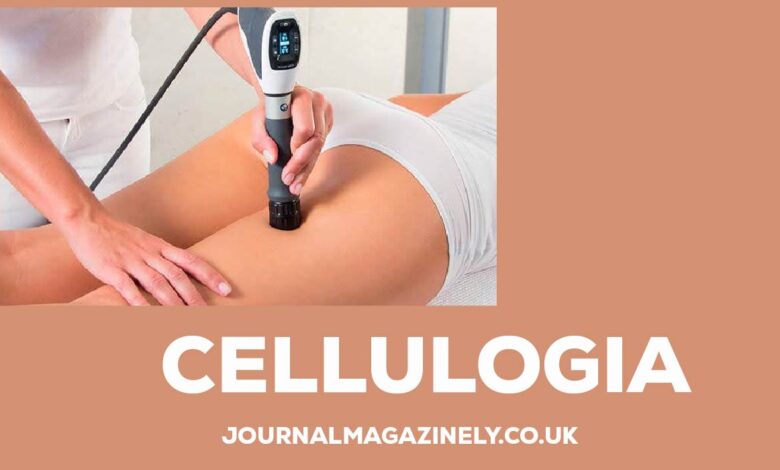
Cellulogia is a modern keyword people use online when talking about cellulite care, smoother skin, and non-invasive body treatments. The term sounds scientific, but in real-world use it is mostly connected to wellness, skincare, and cellulite-focused routines rather than a formal medical specialty.
On websites using the term today, Cellulogia is presented as a holistic way to understand skin texture, improve confidence, and explore methods such as massage, topical products, healthy habits, and professional body treatments. That is why the keyword is starting to attract attention. People want a clear answer to what Cellulogia means, whether it works, and how it fits into real cellulite science.
A strong article on this topic should explain the keyword honestly, connect it to proven information about cellulite, and give readers practical, realistic guidance. That approach makes the article more useful, more trustworthy, and more likely to perform well in search because it answers both curiosity and intent in one place.
What Cellulogia Really Means
In simple terms, Cellulogia can be understood as a broad beauty and wellness concept focused on improving the appearance of cellulite and supporting healthier-looking skin. It is not the same as an official medical diagnosis, and major medical sources do not use the word as a standard clinical term. Instead, the keyword is being shaped online by content creators, wellness brands, and skincare-focused websites that use it to describe a more complete approach to cellulite care.
That approach usually combines knowledge about skin structure, circulation, connective tissue, hydration, body care, and lifestyle habits. So when someone searches for Cellulogia, they are usually looking for more than a single cream or one quick fix. They want a full explanation of what cellulite is, why it appears, which treatments may help, and what kind of results are realistic. Defining the term this way helps readers understand it clearly and avoids the confusion that often appears in thin or overhyped articles about beauty trends.
Understanding Cellulite Before Understanding Cellulogia
To understand Cellulogia, a reader first needs to understand cellulite itself. Cellulite is a very common and harmless skin condition that creates a dimpled, uneven, or orange-peel look on the skin, especially around the thighs, hips, buttocks, and sometimes the abdomen. It happens when fat beneath the skin pushes upward while fibrous connective tissue pulls downward, creating an uneven surface.
This is why cellulite is different from simple body fat. A person can be slim, active, and still have cellulite, because it is influenced by skin structure, hormones, age, and genetics as much as body size. Medical sources note that most women develop some cellulite after puberty, and estimates often place it at about 80% to 90% of post-pubertal women. That is important because it shows cellulite is common, normal, and not a sign that someone is unhealthy. Cellulogia content works best when it starts from that truth instead of promoting shame or impossible promises.
Why Cellulite Happens
Cellulite develops for several reasons, and no single cause explains it fully. Genetics play a major role because they affect how your body stores fat, how thick or thin your skin is, and how your connective tissue is arranged. Hormones also matter, especially in women, because fat distribution and tissue structure differ by sex and can make cellulite more visible. Aging is another major factor. As the years pass, skin naturally loses elasticity and collagen, and that can make dimpling easier to see.
Weight gain can make cellulite look more obvious for some people, but it is not the root cause, and weight loss alone does not always remove it. In fact, some medical sources note that loose skin after weight loss can sometimes make cellulite more noticeable. This is why the best Cellulogia article should never reduce the topic to simple fat loss. The real picture involves connective tissue, skin quality, circulation, age, body structure, and overall skin support working together.
How Cellulogia Works
A practical way to explain Cellulogia is to say that it focuses on improving how the skin looks rather than pretending to remove cellulite completely. Most Cellulogia-style methods aim to support better circulation, improve lymphatic flow, reduce temporary puffiness, stimulate the skin and tissue, and strengthen the surface appearance of the skin. Some approaches also try to support collagen production or make the skin feel firmer and smoother.
This is why Cellulogia is usually linked to massage, rollers, suction-based body treatments, firming creams, exercise, and hydration. Medical sources on cellulite treatment explain that some methods can improve the look of cellulite for a period of time, especially when they target the tough bands under the skin, skin thickness, or overall tissue appearance. However, the results vary by method, and most non-invasive options work gradually rather than instantly. A good article should present Cellulogia as a realistic skin-improvement approach, not as a miracle cure or permanent transformation in a bottle.
Common Cellulogia Methods Used Today
Most content built around Cellulogia includes a mix of home care and treatment-based methods. The most common ones are manual massage, dry brushing, body rollers, suction-style devices, firming body creams, and clinic-based treatments that stimulate the skin mechanically. Medical sources also describe cellulite approaches such as Endermologie-style massage, acoustic wave therapy, laser-based options, radiofrequency treatments, and procedures that break the fibrous bands beneath the skin.
The reason these methods vary so much is that cellulite itself has more than one visible cause. Some techniques mainly improve circulation and fluid movement, while others work deeper below the skin surface. A useful Cellulogia article should explain that home tools may help skin feel smoother and temporarily look better, but clinic treatments often go further because they use stronger technology or more targeted techniques. Readers need that distinction. It helps them make smarter decisions and prevents the common mistake of expecting a low-cost surface product to deliver the same result as a medical or specialist-led procedure.
Professional Cellulogia Sessions and What They Do
When people seek professional cellulite-focused treatment, the goal is usually to improve skin texture more noticeably than they can at home. According to current medical sources, professional options may include massage-based device treatments, sound-wave treatments, laser or radiofrequency technologies, and procedures that separate the fibrous bands beneath the skin. A session may involve a trained provider using a device that kneads, lifts, heats, or stimulates the area depending on the method.
Some treatments need several sessions before visible improvement appears, while others are designed to create longer-lasting changes in the skin’s structure. A strong Cellulogia article should explain that professional care is not automatically better for every person, but it usually offers more targeted treatment than home routines. It should also explain that results depend on the method used, the severity of cellulite, skin thickness, age, and how well the treatment matches the real cause of the dimpling. That level of explanation gives readers value and improves topical depth for SEO.
At-Home Cellulogia Routines
At-home Cellulogia routines are popular because they are easier to follow, cheaper than professional treatments, and simple to add into a weekly self-care plan. A realistic home routine may include a gentle exfoliating step, massage with a firming body cream or oil, light use of a roller or brush, regular hydration, and exercise that improves circulation and muscle tone. Sources discussing Cellulogia also encourage consistency, not a one-time effort. That is a helpful point because cellulite rarely changes after a single treatment or product use.
Medical guidance on cellulite also supports self-care steps such as physical activity, weight management when appropriate, and creams with retinol for gradual skin-thickening benefits. An article that ranks well should present home care honestly: it can support smoother-looking skin and better habits, but it usually gives milder results than clinical procedures. Readers appreciate that kind of honest guidance. It keeps expectations realistic and helps the content sound experienced, balanced, and human rather than sounding like an advertisement for a magic solution.
Ingredients Often Linked to Cellulogia
One reason the Cellulogia keyword sounds appealing is that it is often connected to active ingredients that people already recognize from skincare. Current Cellulogia content highlights ingredients such as caffeine, retinol, peptides, green tea extract, shea butter, and some essential oils. Out of these, retinol has some of the strongest support in mainstream medical sources because it may thicken the skin over time and reduce the visible look of dimpling when used consistently.
Caffeine is also widely discussed in beauty content because it can temporarily tighten the look of skin and support a firmer appearance, although results are usually modest and cosmetic. The smartest way to write about ingredients is to separate proven support from marketing language. A good article should explain that topical products can improve hydration, texture, and surface appearance, but they do not permanently erase the structural causes of cellulite. This makes the article more believable and more useful to readers who are comparing products, treatments, and routines before spending money.
Lifestyle Habits That Support Better Results
Cellulogia works best when it is presented as part of a bigger skin-support routine rather than a single treatment. Healthy daily habits matter because they influence circulation, skin quality, body composition, and inflammation over time. Medical sources recommend physical activity that tones muscles and supports circulation, while Cellulogia-style content also emphasizes hydration, balanced eating, and rest. Strength training, walking, swimming, cycling, and other regular movement can help improve how the skin looks by supporting muscles and reducing the factors that make cellulite more visible.
Good nutrition matters too because skin needs protein, vitamins, minerals, and hydration to maintain its structure. Sleep and stress management are also worth mentioning because wellness-focused cellulite care often takes a full-body view of skin health. A detailed article should explain that lifestyle habits do not remove cellulite overnight, but they can make every other part of a Cellulogia plan work better. That kind of practical advice gives lasting value and increases the chance that readers stay on the page longer.
Realistic Results From Cellulogia
One of the most important parts of a strong Cellulogia article is setting realistic expectations. People often search this keyword because they want a clear answer about whether it truly works. The honest answer is that many cellulite treatments can improve the appearance of cellulite, but results are often partial, gradual, and sometimes temporary.
Massage-based or roller-based methods may create slight or short-lived improvements. Retinol creams may help over months, not days. Some professional procedures offer stronger and longer-lasting results, especially when they treat the fibrous bands under the skin, but even those require proper evaluation and are not the same as simple home care.
Dermatology sources also point out that treatments that remove fat do not necessarily remove cellulite. This matters because many people confuse the two. The best way to write this section is with honesty: Cellulogia may help skin look smoother and firmer, but the outcome depends on the method, consistency, body structure, and how severe the cellulite is to begin with.
Safety, Limitations, and Important Cautions
A helpful Cellulogia article should always include a clear caution section because readers need balanced information, not just benefits. Non-invasive methods such as massage, creams, and basic body tools are usually lower risk, but that does not mean they are right for everyone. People with sensitive skin, active rashes, skin infections, recent injuries, vein issues, bleeding disorders, or pregnancy should be careful and may need professional advice before trying certain treatments.
Medical sources also note that cellulite procedures can involve side effects depending on the method, including tenderness, pain, bruising, swelling, or bleeding beneath the skin. Another important limitation is cost. Many effective procedures require multiple sessions, and they are often not covered by insurance. An SEO-friendly article performs better when it includes this honest perspective because it builds trust. Readers are more likely to take the content seriously when it explains both the upside and the limits. That is especially important for a keyword like Cellulogia, where people may arrive expecting a perfect fix instead of a realistic skin-improvement journey.
Cellulogia Compared With Other Cellulite Treatments
Cellulogia sits in the middle of the cellulite-treatment landscape. It is broader than a single cream, gentler than surgery, and more lifestyle-based than a purely medical procedure. That makes it appealing to people who want a gradual, lower-risk path. Still, it should be compared honestly with other options. Dermatology sources show that procedures such as subcision, vacuum-assisted tissue release, certain laser methods, and acoustic wave therapy may offer stronger results than simple massage or topical care. At the same time, those options can cost more, require recovery, or involve specialist treatment.
This is where Cellulogia has a useful place. It can describe a non-invasive strategy that combines skin support, better habits, home care, and possibly professional sessions based on personal goals. For many readers, that is exactly the balance they are looking for. A well-written article should explain that Cellulogia is not the strongest treatment category available, but it may be the most approachable and sustainable starting point for people who want improvement without moving straight to invasive options.
Final Thoughts
Cellulogia is best understood as a modern, reader-friendly way to talk about cellulite-focused skin care, non-invasive body treatments, and supportive wellness habits. Its value as a keyword comes from the fact that it brings several interests together at once: smoother skin, more confidence, easier routines, and realistic alternatives to surgery. The strongest article on Cellulogia does not pretend the term is an established branch of medicine. Instead, it explains how the word is being used, connects it to real cellulite science, and gives readers practical guidance they can trust.
That is what makes the topic valuable for both users and search engines. Cellulite is common, normal, and often influenced by factors people cannot completely control. Even so, there are ways to improve how the skin looks and feels. When written with honesty, depth, and clear structure, a Cellulogia article can rank well because it solves confusion, answers the real question behind the search, and leaves the reader better informed than when they arrived.
For more information, visit Journal Magazinely