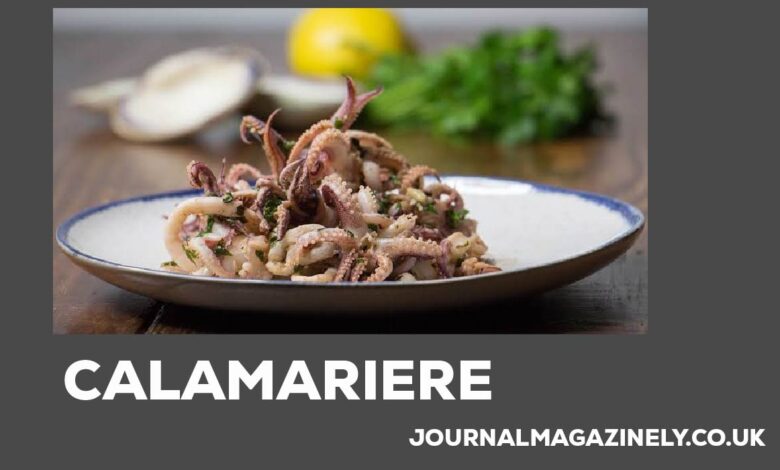
Calamariere is a seafood topic that catches attention because it is linked to squid, Mediterranean cooking, and simple but flavorful meals. Many people come across the word and want to know exactly what it means. Is it a recipe, a dish style, or another name connected to calamari? The easiest way to understand Calamariere is to see it as a squid-based food topic tied to the wider tradition of cooking squid in fresh, straightforward ways.
This is one reason the subject is interesting. Squid has been part of coastal cooking for generations, especially in places where seafood is part of daily life. It is known for its mild taste, tender texture when cooked well, and ability to work with many flavors. Garlic, lemon, herbs, olive oil, and light sauces all pair well with it.
That is why Calamariere deserves a full explanation. It is not only about one dish on a menu. It is also about seafood tradition, cooking methods, ingredients, and the reason squid continues to be popular in home kitchens and restaurants.
What Is Calamariere?
Calamariere is best described as a squid-centered dish or cooking idea connected to the world of calamari. In simple terms, it refers to squid prepared as food, often in a style inspired by Mediterranean cooking. It can appear as fried squid rings, grilled squid, sautéed squid, or squid cooked slowly in sauce.
What makes Calamariere appealing is its simplicity. It does not need heavy seasoning or complicated steps to taste good. When the squid is fresh and cooked properly, the flavor stands out on its own. A little garlic, lemon, olive oil, or herbs is often enough.
Another useful thing to know is that Calamariere can fit many types of meals. It may be served as an appetizer, a side dish, or a main course. That flexibility is part of its appeal. It works just as well in a relaxed family meal as it does in a more polished restaurant setting.
The Meaning Behind the Name Calamariere
The word Calamariere sounds very close to calamari, and that helps explain why people connect it with squid dishes. Calamari is the better-known term, especially in Italian and Mediterranean cooking, where squid is a common and well-loved ingredient. Because of that, many readers naturally understand Calamariere as a related food term.
From an SEO point of view, this matters. People searching for Calamariere usually want practical information about squid, how it is cooked, what it tastes like, and how it fits into seafood cuisine. They are not looking for complicated language or confusing definitions. They want a simple answer they can trust.
The clearest explanation is this: Calamariere belongs to the same culinary space as calamari. It points to squid-based dishes and the traditional ways squid is prepared, especially in coastal regions where seafood is cooked with fresh, simple ingredients that support the natural flavor instead of covering it up.
The History of Calamariere in Coastal Cooking
The roots of Calamariere are closely tied to the long history of squid in coastal cooking. In Mediterranean regions such as Italy, Greece, and Spain, squid has been part of everyday meals for generations. It was valued because it was widely available, affordable, and easy to prepare in different ways.
Long before squid became popular in modern restaurants, it was already an important ingredient in seaside homes. Families cooked it in the ways that made the most sense for daily life. Some fried it lightly, some grilled it over heat, and others simmered it with tomatoes, onions, herbs, and olive oil. These methods were practical, flavorful, and built around what local people had on hand.
That background helps explain why Calamariere feels traditional. Even if the word itself is unfamiliar to some readers, the cooking style behind it is not new. It comes from a long-standing seafood tradition where simple methods and fresh ingredients turned squid into a dependable and satisfying meal.
Why Calamariere Became Popular
There are several reasons Calamariere became popular. The first is simple: squid is one of the most versatile seafood ingredients you can cook. It has a mild flavor, takes on seasoning well, and can be used in many dishes without feeling too heavy.
Another reason is texture. When cooked the right way, squid is tender with a light chew that many people enjoy. It feels satisfying without being dense. That makes Calamariere a good option for people who want seafood that is flavorful but still light enough for different meals.
Its popularity also grew because squid fits easily into many food cultures. Mediterranean kitchens often use lemon, parsley, garlic, and olive oil. Asian cooking may add chili, soy, or light batter. Other cuisines bring in herbs, spices, and fresh citrus. Through all of this, Calamariere keeps its identity while still adapting to local tastes. That balance is a big reason it continues to attract both beginners and experienced food lovers.
Types of Squid Used in Calamariere
Not all squid used in Calamariere are the same, and that can affect both texture and cooking style. Smaller squid are often chosen for delicate dishes because they cook quickly and stay tender with minimal effort. Larger squid can also work very well, but they may need more careful cleaning, slicing, and timing.
Some cooks like using whole small squid for grilling or stuffing. Others prefer sliced rings from larger squid, especially for frying or sautéing. The choice often depends on the dish you want to make and how much preparation time you have.
Fresh squid is often seen as the best option because of its clean flavor and soft texture. Still, frozen squid can also give very good results, especially for home cooks who want convenience. Many frozen products are cleaned and ready to use, which saves time in the kitchen. What matters most is not only the type of squid, but whether it is good quality and suited to the method you plan to use for Calamariere.
What Calamariere Tastes Like
A lot of people ask what Calamariere actually tastes like, especially if they have never tried squid before. The good news is that squid has a much milder flavor than many beginners expect. It is slightly sweet, lightly briny, and clean-tasting rather than strong or overpowering.
Texture plays a big role in the experience. Good Calamariere should be tender with a little bite. It should not be rubbery, hard, or bland. This is why cooking time matters so much. Even a flavorful dish can disappoint if the squid is not cooked properly.
Another reason people enjoy Calamariere is that squid works so well with other ingredients. Garlic adds depth, lemon brings brightness, herbs keep it fresh, and sauces can make it richer or more comforting. Because the flavor of squid is so adaptable, Calamariere can feel light and simple in one recipe and warm and hearty in another, all while keeping its seafood character.
How to Choose Fresh Squid for Calamariere
Choosing good squid is one of the most important steps in making better Calamariere. Fresh squid should smell clean and light, like the sea, but it should never smell too strong or unpleasant. If the smell is sharp or overly fishy, it is usually not the best choice.
The appearance also matters. The flesh should look firm and slightly shiny, not dull, dry, or slimy. If you are buying whole squid, clear eyes and an intact body are good signs. If you are buying cleaned squid or frozen rings, look for pieces that seem moist, neat, and free from obvious damage.
Many people assume that only fresh squid can make excellent Calamariere, but that is not always true. Frozen squid can be a smart and reliable option, especially when it has been handled well. For many home cooks, it is more practical and easier to find. The real goal is quality. When you start with good squid, the rest of the dish becomes much easier to prepare successfully.
How to Clean and Prepare Calamariere Properly
Making Calamariere starts with proper preparation, especially if you are using whole squid. The first step is removing the head and inner parts from the body. After that, the clear quill inside the body is pulled out, and the squid is rinsed gently under cool water.
Some cooks remove the outer skin, while others leave it on. Both approaches can work. The tentacles are usually kept because they are flavorful and cook well with the rings. Once cleaned, the body can be cut into rings, strips, or left whole, depending on the recipe.
One of the most important steps is drying the squid before cooking. Extra moisture can make it harder to brown properly and can reduce crispness if you plan to fry it. Patting it dry with paper towels or a clean cloth makes a real difference. Good preparation helps with more than appearance. It improves texture, supports even cooking, and gives your Calamariere a better final result.
The Best Cooking Methods for Calamariere
Calamariere can be cooked in several ways, but timing is everything. Squid is one of those ingredients that usually needs either very quick cooking or slow cooking. If it stays too long in the middle range, it often becomes tough and chewy.
Frying is one of the most popular methods because it gives squid a crisp outside and a tender inside. Grilling is another good option, especially if you want a lighter dish with a little smoky flavor. Sautéing works well when you want a quick meal with garlic, olive oil, and herbs.
Slow cooking also has its place. When squid is braised in tomato sauce, wine, or other liquids, it softens over time and becomes part of a richer dish. Each method brings out something different in Calamariere. That is part of what makes it so enjoyable. One ingredient can feel casual, elegant, or hearty depending on how it is cooked and served.
Fried Calamariere and Why It Is So Popular
Fried Calamariere is the version many people know best. It is popular because it is simple, familiar, and easy to enjoy. Squid rings are usually coated lightly in flour or batter, then fried until golden. When done well, the result is crisp on the outside and tender inside.
This style is often served as an appetizer, which makes it especially common in restaurants. It is easy to share, quick to serve, and pairs well with dipping sauces such as marinara, aioli, or a squeeze of fresh lemon. For many people, fried Calamariere is the first squid dish they ever try.
The key to making it well is balance. The coating should not be too heavy, and the squid should still be the focus of the plate. Good frying also depends on using hot enough oil and serving the dish right away. When those details are handled properly, fried Calamariere tastes light, crisp, and satisfying instead of greasy or dense.
Grilled, Sautéed, and Braised Calamariere
While fried squid is popular, Calamariere becomes even more interesting when you look at other cooking methods. Grilled squid is a great example. It is light, fresh, and often closer to the style found in traditional coastal cooking. With olive oil, garlic, parsley, and lemon, grilled Calamariere can be simple and full of flavor.
Sautéed squid is another practical option. It cooks quickly and works well in pasta, rice dishes, and warm seafood salads. This style is especially useful for home cooks who want something fast but still flavorful.
Braised Calamariere offers a completely different experience. When squid is simmered slowly in tomato sauce, white wine, onions, or herbs, it becomes tender and rich. This version often feels more comforting and filling. It also pairs well with bread, pasta, or polenta. Together, these methods show how flexible Calamariere really is. It can be crisp, fresh, delicate, or hearty depending on how you cook it.
Nutritional Value and Health Benefits of Calamariere
Calamariere can be a good addition to a balanced diet, especially when it is grilled, sautéed, or prepared without heavy breading. Squid is a solid source of protein, which helps make meals feel filling and satisfying. It also contains nutrients such as vitamin B12, selenium, phosphorus, and copper.
These nutrients support important body functions, including energy production and general health. Another advantage is that squid can be lower in calories than many heavier meat dishes, depending on how it is cooked. This makes Calamariere appealing to people who want seafood that feels substantial without always being too rich.
Of course, the nutritional value changes with preparation. Fried versions usually contain more fat and calories than grilled or braised ones. That does not make fried Calamariere a bad choice. It simply means the cooking style matters. For readers looking for a seafood dish that combines flavor, protein, and flexibility, Calamariere is a strong option worth considering.
Common Mistakes to Avoid When Cooking Calamariere
The biggest mistake people make with Calamariere is overcooking the squid. Squid cooks very quickly, and even a little extra time can turn it from tender to rubbery. That is why timing matters so much. A quick cook over high heat or a proper slow braise usually works best.
Another common mistake is not drying the squid before frying or searing. If the surface is too wet, it will not brown well and may end up steaming instead. Overcrowding the pan creates the same kind of problem because the temperature drops too much.
Weak seasoning is another issue. Squid has a mild flavor, so it benefits from ingredients that bring it to life, such as salt, garlic, lemon, olive oil, herbs, or a good sauce. Finally, poor-quality squid can affect the whole dish from the start. Good Calamariere does not require advanced skills, but it does require attention to freshness, preparation, and cooking time.
How to Serve Calamariere and Why It Still Matters Today
One reason Calamariere remains popular is that it can be served in so many ways. Fried versions are often served with lemon and dipping sauces as an appetizer. Grilled Calamariere works well with salads, vegetables, potatoes, or rice. Braised versions are often paired with pasta, bread, or polenta for a more filling meal.
This flexibility keeps the dish relevant today. People want food that is flavorful, interesting, and not too complicated, and Calamariere fits that need very well. It can be made at home without too much difficulty, but it can also feel special enough for a restaurant menu or a shared seafood dinner.
More importantly, Calamariere still matters because it reflects a style of cooking that values simple ingredients and careful technique. It shows how one seafood ingredient can be turned into many different meals without losing its identity. That lasting mix of tradition, flavor, and versatility is what keeps Calamariere worth talking about.
Conclusion
Calamariere is more than just a squid dish. It represents a long seafood tradition shaped by simple cooking, fresh ingredients, and practical coastal food culture. From fried rings to grilled squid and slow-braised recipes, calamariere shows how one ingredient can be used in many satisfying ways. Its mild flavor, flexible texture, and ability to work with herbs, garlic, lemon, and sauces make it a favorite in many kitchens.
For beginners, calamariere is a great seafood dish to learn because it does not need complicated preparation to taste good. For experienced cooks, it offers plenty of room for creativity and technique. It can be light, crispy, rich, or comforting depending on the method you choose. That wide appeal is one reason calamariere continues to stay relevant.
In the end, calamariere stands out because it combines flavor, tradition, and versatility in one dish. If prepared with care, it can turn a simple seafood ingredient into a meal that feels both classic and memorable.
For more information, visit Journal Magazinely