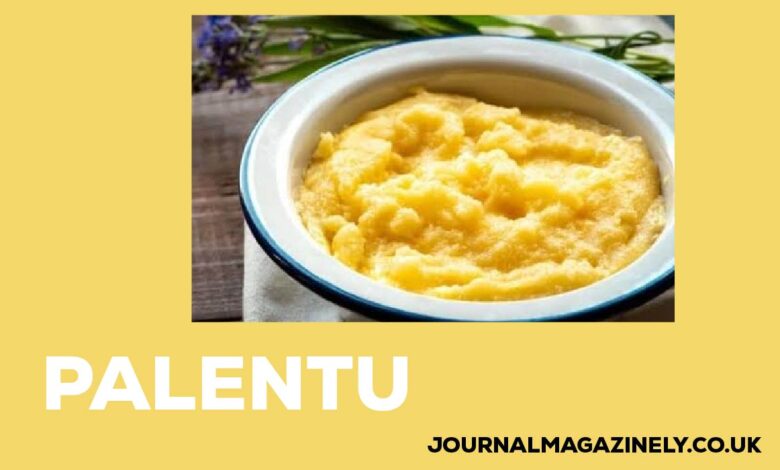
Palentu is a traditional cornmeal dish that people often search for when they want to understand its meaning, history, recipe, and cultural background. In most real-world usage, Palentu connects closely to palenta or polenta, especially in Croatian, Balkan, and nearby food traditions, where cooked cornmeal has been part of daily life for generations. It is simple food, but it carries deep cultural value because it fed families, matched local ingredients, and adapted easily to different regions and seasons.
Today, Palentu still attracts attention because it feels both old and modern at the same time. It is affordable, filling, naturally comforting, and flexible enough to work as breakfast, lunch, dinner, or a side dish. Some people enjoy it soft and creamy, while others prefer it cooled, sliced, and grilled or fried.
That lasting appeal is one reason Palentu continues to matter. It is not just a bowl of cooked cornmeal. It is a food tradition shaped by language, place, and everyday home cooking, especially across Croatia, Istria, the Balkans, and Italian-influenced regions.
What Is Palentu?
Palentu is best understood as a cornmeal-based dish cooked with water, milk, or broth until it becomes thick, warm, and satisfying. In the kitchen, it works much like polenta. The finished texture depends on how much liquid is used and how long the mixture cooks. With more liquid, it stays soft and creamy. With less liquid or more cooling time, it firms up and can later be sliced.
This is why Palentu is loved in so many homes. A single basic preparation can become several different meals. Fresh from the pot, it can be served with butter, cheese, yogurt, cream, vegetables, or stew. After cooling, it can be cut into neat pieces and crisped in a pan or oven.
Its simplicity is part of its strength. Cornmeal, salt, and liquid are enough to create a dish that feels complete, comforting, and practical. That is exactly why Palentu has survived for so long in home cooking traditions.
Palentu, Palenta, and Polenta
One reason this keyword causes confusion is that “Palentu” is not usually treated as a totally separate food in serious language or culinary sources. Instead, it strongly overlaps with palenta, which translates to polenta, and in Serbo-Croatian usage “palentu” appears as the accusative form of palenta. That means many searches for Palentu are really searches for palenta or polenta under a slightly different written form.
This matters for writing a strong article because readers want clarity, not mystery. If someone searches “Palentu,” they are usually looking for the traditional cornmeal dish, not a different category of food. The safest and most accurate interpretation is that Palentu belongs inside the wider palenta-polenta family.
Regional speech also explains the variation. Different areas use different names, but the core idea remains the same: a cooked cornmeal staple that can be served soft or firm and matched with many other foods.
The History Behind Palentu
The story of Palentu reaches back to older grain porridges long before modern cornmeal became common in Europe. Ancient Roman food traditions already included thick porridge-like meals made from ground grains. Later, after maize arrived from the Americas, corn became an important crop in many European regions, especially where it grew well and could feed large households at a low cost.
That shift changed daily eating habits. Cornmeal became practical for farming families because it was cheap, filling, and easy to cook in big pots. As a result, dishes like polenta and palenta became staples of ordinary life rather than luxury foods. What began as necessity slowly became heritage.
In northern Italy and across nearby areas, this kind of cornmeal dish developed strong local identity. Over time, it spread through trade, migration, and shared rural culture, shaping food traditions in Croatia, Slovenia, Serbia, Romania, and beyond.
Palentu in Croatia and the Balkans
In Croatia and other Balkan areas, Palentu is more than a side dish. It is part of the region’s food memory. Croatian sources connect palenta with Istria, Primorje, and Dalmatia, while broader Balkan traditions place similar cornmeal dishes at the center of rural and family cooking. This is one reason the dish feels so familiar across borders even when the name changes.
In everyday life, Palentu has often been served with milk, sour cream, kajmak, yogurt, cheese, meat sauces, or stews. In some homes it appears as a simple meal for busy days. For others, it is a supporting dish that takes on the flavor of a rich main course. That adaptability helped it remain relevant across generations.
Its importance is especially visible in places like Istria, where polenta was once an everyday staple and where maize milling and home preparation were part of normal village life. Palentu therefore carries both taste and memory.
Regional Names and Local Variations
Palentu belongs to a family of related names rather than a single isolated term. In many areas, people also say palenta, polenta, pura, žganci, or kačamak. Some speakers use these names almost interchangeably, while others make small distinctions based on grind size, cooking style, or local custom. That is why readers often see several terms used for what looks like the same basic dish.
In Croatia, one common distinction is between finer and coarser grinds. Some sources note that palenta is often made from finer cornmeal, while žganci may use a coarser grain. Even where the names overlap, texture still matters because it affects both mouthfeel and serving style.
This variety should not be seen as confusion alone. It is also a sign of how deeply the dish is rooted in local life. When one food carries many names, it usually means many communities have claimed it as their own.
Ingredients Used to Make Palentu
At its most basic, Palentu needs only cornmeal, water, and salt. That simplicity is one of its greatest strengths because it allows the cook to shape the final dish in many ways without losing its traditional identity. Some kitchens use only water for a clean corn flavor, while others add milk or broth for more richness and depth.
The type of cornmeal also matters. Fine cornmeal usually gives a smoother, softer result, while coarse or stone-ground cornmeal brings more texture and a heartier bite. White or yellow corn may be used depending on regional preference and availability. Traditional households often stayed loyal to what local mills produced.
After the base is made, many cooks enrich it with butter, olive oil, cheese, cream, herbs, or roasted vegetables. These additions do not change the heart of Palentu. They simply show how easily a humble staple can become a richer, more personalized meal.
How to Cook Palentu Properly
Good Palentu starts with controlled heat and steady stirring. The basic method is simple: bring the liquid to a boil or near-boil, add salt, then gradually whisk in the cornmeal so lumps do not form. Once everything is combined, lower the heat and let the mixture cook slowly as it thickens. This is where patience matters most.
Traditional versions usually need longer cooking, while instant or pre-cooked products finish much faster. The goal is not just thickness. The goal is a smooth, fully cooked texture where the cornmeal has absorbed enough liquid to taste creamy instead of raw or gritty. Stirring helps distribute heat evenly and keeps the mixture from sticking at the bottom.
When the Palentu reaches the texture you want, serve it immediately for a soft dish or spread it into a tray if you plan to cool and slice it later. That one method opens the door to several styles of serving.
The Right Ratio for Creamy or Firm Texture
The ratio between cornmeal and liquid shapes the entire dish. A common starting point is about one part cornmeal to four parts liquid for a creamy style, though some cooks use slightly less liquid for a denser texture and others add a bit more for extra softness. Because cornmeal types vary, the cook usually adjusts by feel rather than following one rigid formula.
If you want very soft Palentu, increase the liquid a little and stir patiently so the texture stays smooth. If you want a firmer result for slicing later, use a slightly tighter ratio and cook until the mixture pulls together more strongly. Some home cooks also use part water and part milk to build a fuller taste without making the dish too heavy.
This flexibility is why there is no single perfect ratio for every kitchen. The best version depends on whether your goal is a creamy bowl, a firm slab, or something in between.
Common Mistakes When Making Palentu
The most common problem is lumps. They usually happen when the cornmeal is added too quickly or when it is not whisked properly at the beginning. To avoid this, the cornmeal should be poured in gradually while stirring continuously. Some cooks even mix cornmeal with a small amount of cold water first to make the process easier and smoother.
Another mistake is using too little liquid. That can leave the Palentu heavy, pasty, or gritty instead of tender and creamy. Cooking time matters too. Undercooked cornmeal tastes rough, while overcooked instant cornmeal may lose its best texture. The cook has to match the method to the type of product being used.
Poor seasoning is another issue. Because Palentu is simple, even small touches like enough salt, a bit of butter, or a flavorful topping make a big difference. A plain dish should still taste complete, not unfinished.
How Palentu Is Served
Palentu is one of those dishes that easily fits many meals. Soft Palentu is often served as a base under stews, braised meats, mushrooms, or roasted vegetables because it absorbs sauces so well. That makes it both practical and deeply satisfying, especially in colder weather when people want warm, filling food.
In Balkan-style serving, Palentu may be paired with milk, sour cream, kajmak, or cheese, creating a rich and comforting plate from very simple ingredients. In other homes, it appears beside sausages, pork dishes, or rustic vegetable preparations. The dish works because its flavor is mild enough to support strong toppings without disappearing.
It can also be used in a more modern way, topped with olive oil, herbs, roasted tomatoes, or sautéed greens. That range keeps Palentu relevant today. It can feel traditional, elegant, hearty, or light, depending on what the cook wants from it.
Soft Palentu and Firm Palentu
Freshly cooked Palentu is soft, creamy, and spoonable. This is the version many people imagine first because it feels warm, smooth, and comforting. It works especially well with butter, cheese, creamy dairy, mushroom sauce, or slow-cooked meat dishes. When served hot from the pot, it behaves almost like a savory porridge.
Firm Palentu is what happens when that same mixture cools and sets. Once chilled, it can be cut into slices, squares, or sticks. At that point it becomes a new ingredient rather than just a bowl of cooked cornmeal. This is one reason Palentu is so useful in home kitchens: leftovers are not a problem but an opportunity.
Those cooled pieces can be grilled, baked, or pan-fried until golden outside and soft inside. Instead of feeling like yesterday’s food, firm Palentu often becomes even more appealing after a second preparation.
Nutrition and Health Value
Palentu is mainly a source of carbohydrates, which is why it has long been valued as an energy-giving staple. In its plain form, made with cornmeal and water, it is relatively simple and naturally low in fat. That basic version can fit easily into many everyday meals, especially when paired with vegetables, beans, dairy, or lean proteins.
Another reason Palentu stays popular is that plain polenta-style dishes are naturally gluten-free because cornmeal itself does not contain gluten. Still, packaged products can face cross-contact during processing, and some prepared versions may include other ingredients, so labels still matter for people with celiac disease or strict gluten sensitivity.
Its final nutrition depends heavily on what is added. Butter, cheese, cream, or rich sauces make it more filling and flavorful, while olive oil, vegetables, and broth can keep it lighter. Palentu can therefore be humble comfort food or part of a balanced modern meal.
Modern Ways to Enjoy Palentu
Modern cooking has given Palentu fresh life without taking away its traditional soul. Today, people serve it with mushrooms and herbs, roast it into fries, spread it into trays for baking, or top it with tomato sauces and grilled vegetables. Some cooks enrich it with Parmesan-style cheese, while others keep it vegan with olive oil and plant-based toppings.
Convenience has also changed how people use it. Instant cornmeal and pre-cooked polenta products save time and make the dish easier for busy households. Although many traditional cooks still prefer the longer method for flavor and texture, quick versions help Palentu stay practical in modern kitchens where speed often matters.
That balance between old and new is part of its charm. Palentu does not need to stay locked in the past to remain authentic. Its core identity survives because the dish is flexible enough to welcome new ideas without losing its roots.
Final Thoughts
Palentu remains a meaningful dish because it brings together simplicity, tradition, and everyday comfort in one humble meal. In practical use, the term connects closely with palenta or polenta, especially in Croatian and related regional food traditions, where it refers to a cooked cornmeal dish that can be served soft, creamy, or cooled and sliced later. That long life in home kitchens is one of the clearest signs of its value. Foods do not remain important for generations unless they are useful, filling, and deeply tied to local habits and family life.
What makes Palentu stand out is its flexibility. It can be prepared with very simple ingredients, yet it fits many serving styles, from rustic family meals to more modern presentations. Across the Balkans and nearby regions, related names such as palenta, žganci, pura, and kačamak show just how widely this cornmeal tradition has spread and how strongly different communities have made it their own. That gives Palentu more than culinary value. It gives it cultural depth, regional identity, and a lasting place in food history.
In the end, Palentu is important not because it is complicated, but because it proves that simple food can carry rich meaning. It is warm, practical, affordable, and easy to adapt, which is why it still appeals to modern readers and home cooks today. Whether someone knows it as Palentu, palenta, or polenta, the heart of the dish stays the same: a traditional cornmeal staple that continues to connect people to comfort, memory, and regional heritage.
For more information, visit Journal Magazinely