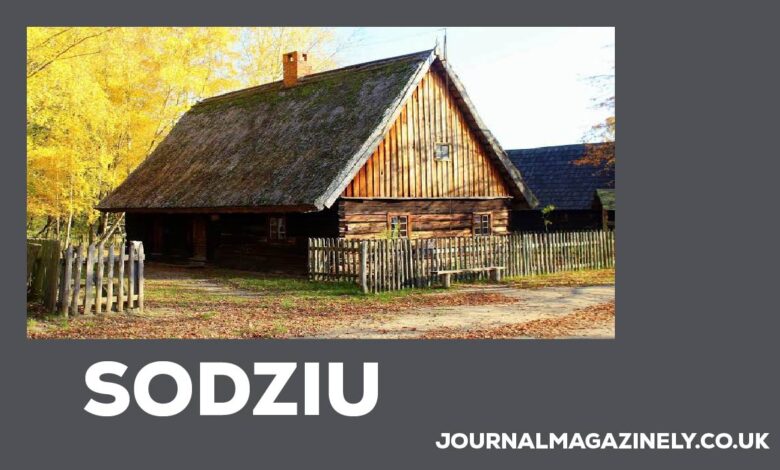
Sodziu is a simple word, but it carries a lot of meaning. When people search for Sodziu, they are usually trying to understand more than a direct translation. They want to know what the word suggests, where it comes from, and why it feels tied to tradition, place, and identity.
In the Lithuanian context, Sodziu is closely connected to village life and the countryside. It brings up images of family homes, open land, quiet roads, and a slower daily rhythm. The word feels warm because it points to a way of life built on roots, routine, and community.
That is why Sodziu still draws attention today. It is not only about language. It is also about memory, culture, and the feeling of belonging somewhere real and familiar.
What Does Sodziu Mean?
The meaning of Sodziu is closely linked to the idea of a village or rural settlement. It refers to a place where people live near the land, follow long-held traditions, and often grow up with strong family and community ties.
The word also carries an emotional feeling. For many people, Sodziu is not just a rural place. It can remind them of grandparents, childhood visits, village homes, gardens, and peaceful countryside scenes.
That is what makes the word special. Sodziu is more than a basic term. It holds both a literal meaning and a cultural feeling, which is why it continues to interest readers today.
The Language Background of Sodziu
To understand Sodziu, it helps to know a little about Lithuanian. It is one of the oldest living languages in Europe, and many of its words still feel closely tied to history, land, and everyday life.
Sodziu fits into that pattern. It reflects a word that belongs to the rural world and the values connected to it. In Lithuanian, words linked to home, land, and family often carry more weight than a plain English translation can show.
Online, people often type Lithuanian words without special marks, so different spellings appear in search results. That can confuse readers. Even so, the core idea behind Sodziu stays the same. It points to village life, countryside roots, and a traditional social world.
Sodziu as a Symbol of Village Life
One of the clearest ways to understand Sodziu is to see it as a symbol of village life. It brings to mind a small settlement where homes stand close together, fields stretch nearby, and people know one another well.
Village life is not only about the setting. It is also about relationships. In that kind of place, neighbors often help each other, families stay connected, and traditions are passed down in ordinary daily life.
That is why Sodziu feels richer than the word “village” alone. It suggests a full way of living. It points to a world built on closeness, routine, and shared experience rather than speed, noise, and distance.
The Historical Importance of Sodziu
In the past, rural settlements were the heart of life for many Lithuanian families. Villages were not just places to live. They were the center of work, food production, family structure, and local tradition.
Life in Sodziu was shaped by the land. People depended on farming, seasonal labor, and shared effort. Skills were learned at home, and older generations passed down both practical knowledge and family values.
This history gives Sodziu real depth. The word carries the memory of how people lived for generations. It reflects a world where survival, community, and tradition were all closely connected. That background is part of what makes the word meaningful even now.
Family and Community in Sodziu
Family is one of the strongest ideas connected to Sodziu. In a traditional village setting, people did not live in isolation. Relatives often lived nearby, neighbors knew each other well, and daily life involved regular contact and shared responsibility.
Children learned by watching adults cook, farm, build, repair, and care for the home. Older family members passed down habits, stories, and values through ordinary conversation and daily routines.
Because of that, Sodziu suggests more than a location. It points to a social life built on closeness and familiarity. It reflects a setting where people depend on one another and where identity grows from family and community, not just from the individual.
Nature and the Daily Rhythm of Sodziu
Nature is a central part of Sodziu. Rural life is shaped by weather, seasons, daylight, and the needs of the land. In a village, people are often more aware of these natural changes because they affect work, food, and routine.
That connection changes the pace of life. Days often begin early, work follows the season, and people learn patience through the natural cycle of planting, growth, harvest, and rest.
This is one reason Sodziu feels calm and grounded. It suggests a life that moves with nature rather than against it. For modern readers, that idea can feel especially appealing because it stands in contrast to fast schedules, crowded spaces, and constant distraction.
Traditions and Customs Connected to Sodziu
Sodziu also brings to mind the traditions that grow in village communities over time. Rural areas often preserve customs more strongly because family habits stay close to daily life and change more slowly across generations.
These traditions may include seasonal celebrations, home cooking, practical crafts, songs, storytelling, and shared local routines. In a village setting, such customs are not separate from life. They are part of how people gather, work, celebrate, and remember.
That is why Sodziu has cultural value. It points not only to a place but also to the customs that belong to that place. The word helps preserve an idea of heritage that still matters, especially for people interested in roots, memory, and community life.
Homes, Work, and Daily Life in Sodziu
The world of Sodziu is closely tied to the home. In traditional rural life, the household was not only a place to rest. It was also the center of work, planning, storage, and family responsibility.
People often lived close to the land and worked directly with it. Daily tasks could include gardening, caring for animals, repairing buildings, storing food, or preparing for changing seasons. These routines required effort, patience, and practical skill.
This gives Sodziu a grounded and realistic feeling. It is connected to useful work and steady living. The word reflects a life shaped by responsibility, not convenience, and by long-term care rather than quick results.
Sodziu in Memory and Identity
For many people, Sodziu lives on through memory. It may remind them of family stories, summer visits, old homes, village roads, or the countryside world described by parents and grandparents.
That emotional link is important. A word like Sodziu can hold personal history. It can bring back a sense of where someone came from, even if they no longer live in that place.
This is why the word has value beyond language. Sodziu helps people talk about belonging, roots, and cultural identity. It gives shape to memories that might otherwise stay vague. In that way, the word becomes part of how people remember both family and heritage.
Sodziu in the Modern World
Even in modern life, Sodziu still feels relevant. Today, many people are interested in simpler living, stronger communities, and a deeper connection to place. Because of that, rural ideas often feel newly meaningful.
Sodziu speaks to that interest. It suggests a life that is slower, more personal, and more connected to both people and nature. Even readers who have never lived in a village can understand why that image feels attractive.
The word also matters because it keeps cultural memory alive. It reminds people that older ways of living still have something to teach. In that sense, Sodziu is not only a word from the past. It is also part of a modern search for meaning and balance.
Why People Get Confused About It
Many people become confused about Sodziu because online search results often show different spellings and mixed explanations. Lithuanian words are sometimes written without special marks, which can make separate words look similar.
Another problem is that some articles mix language meaning, emotion, and personal interpretation without drawing clear lines. That can leave readers unsure about what the word actually refers to.
The best way to understand Sodziu is to look at the cultural context. In a Lithuanian setting, the word is best understood through village life, rural identity, and traditional community values. A clear explanation matters because it helps readers connect the word to the right meaning instead of a confusing mix of ideas.
Why its Still Matters Today
Sodziu still matters because it points to values many people continue to respect. It reflects simple living, strong family ties, close communities, and a steady connection to the land.
It also matters because language helps protect culture. Words carry memory, identity, and ways of seeing the world. Sodziu preserves an image of rural life that still means something to many readers.
That is why interest in Sodziu remains strong. It is not just an old-fashioned term. It is a meaningful cultural word that helps people understand heritage, belonging, and the lasting appeal of a rooted life.
Conclusion
Sodziu may look like a small word, but it carries a wide world of meaning. It is connected to village life, rural tradition, family closeness, shared work, and a calm relationship with nature.
The word matters because it represents more than a place. It reflects a way of living and a way of remembering. Through Sodziu, readers can better understand how language preserves culture, memory, and identity.
That is what gives Sodziu its lasting value. It helps us see how one word can hold history, feeling, and community at the same time. For anyone interested in language, heritage, or simple living, Sodziu remains a meaningful and worthwhile subject.
For more information, visit Journal Magazinely