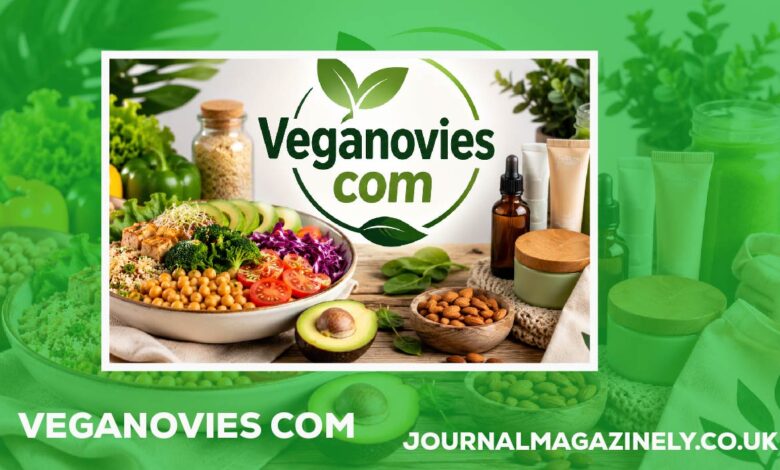
Veganovies com is a name that many people are starting to search online, especially those who are curious about vegan living. It is becoming popular because people today want to eat better, feel healthier, and make kinder choices for animals and the planet. When they look for simple help, they often come across platforms like Veganovies com.
It is known as a place that may offer easy ideas about plant-based food, daily habits, and better lifestyle choices. People are interested in it because it promises simple guidance without making things feel hard or confusing. This makes it attractive for beginners and also for those who already follow a vegan lifestyle.
In this article, we will explore what Veganovies com is and why people are talking about it. We will also look at its purpose, features, recipes, and lifestyle tips. You will learn how it may help users and what things you should check before trusting any information on it.
What Is Veganovies com?
Veganovies com appears to be an online platform that focuses on vegan living, including plant-based food, lifestyle ideas, and general guidance. It may offer information about recipes, nutrition, and cruelty-free choices in a simple and beginner-friendly way for users exploring vegan habits.
The platform seems designed to help people understand plant-based eating and make everyday choices that align with vegan values. It may include food ideas, product suggestions, and basic lifestyle guidance for people at different stages of their journey.
However, it is important to approach any website carefully. While it may provide helpful content, users should always check facts, verify sources, and avoid relying completely on any single platform for health or lifestyle decisions.
Quick Overview of Veganovies com
Veganovies com can be understood as a general-purpose vegan lifestyle platform that may combine food, health, and ethical living in one place. It is not limited to only recipes, which makes it different from basic cooking websites. Instead, it may aim to provide a wider view of plant-based living.
The website name suggests a focus on vegan topics, while the content type may include articles, guides, and recipes. It seems suitable for beginners as well as people who already follow a plant-based lifestyle. The audience may include health-conscious users, eco-friendly shoppers, and people curious about reducing animal-based products.
Its main purpose appears to be helping users learn and apply vegan habits in daily life. The categories may include food, wellness, products, and lifestyle ideas. Overall, it looks like a platform that tries to simplify vegan living for regular people.
Why Veganovies com May Be Useful for Vegan Beginners
Many beginners feel unsure when starting a vegan lifestyle. They often worry about what to eat, how to cook, and whether they are making the right choices. This confusion can make the journey feel difficult. A platform like Veganovies com may help by offering simple and clear guidance.
It may provide easy recipes that use normal ingredients and simple steps. Beginners may also find help with grocery shopping, food swaps, and basic nutrition ideas. These small supports can make a big difference for someone who is just starting out.
The most helpful part for beginners is usually the tone. If the platform uses friendly and simple language, it becomes easier to understand. This kind of approach can reduce stress and help users feel more confident as they take their first steps into vegan living.
Main Purpose of Veganovies com
The main purpose of Veganovies com seems to be guiding users toward a simpler and more practical vegan lifestyle. Instead of focusing on only one topic, it may cover different areas such as food, health, and daily choices. This makes it more useful for people who want complete guidance.
It may help users learn how to cook plant-based meals, choose better products, and make small changes that match their values. It may also include ideas for eco-friendly living and animal-friendly habits. These elements together form a more complete lifestyle approach.
A good vegan platform should make things easier, not more confusing. Veganovies com appears to aim for that goal by combining multiple topics into one place. However, users should still think carefully and not accept every idea without checking its accuracy.
Who Can Use Veganovies com?
Veganovies com may be useful for many different types of users. It is not only for people who are fully vegan. Beginners who are just curious about plant-based food may also find it helpful. Flexitarians who want to reduce meat intake may use it for simple ideas.
Vegetarians who want to go further may explore it for dairy-free and egg-free options. Health-focused readers may use it to find lighter meals and better eating habits. People who care about the environment may use it for eco-friendly tips and product choices.
It may also help users looking for cruelty-free products such as skincare or cleaning items. Because of this wide use, the platform seems suitable for different goals. This makes it more flexible compared to websites that focus on only one type of user.
Key Features Readers May Expect on Veganovies com
Veganovies com may include several features that make it useful for readers. One of the main features is likely vegan recipes that are simple and easy to follow. These recipes may be designed for everyday cooking rather than complex meals.
Another feature may be nutrition guides that explain basic nutrients like protein and vitamins. Product reviews may also be included to help users choose vegan-friendly items. Lifestyle tips may guide users in making daily choices that match vegan values.
Beginner guides and educational articles may also be part of the platform. These features together can help users understand both the “how” and the “why” of vegan living. A combination of these elements makes the platform more complete and useful.
Vegan Recipes and Meal Ideas on Veganovies com
Vegan recipes are often the most important part of any vegan platform. They help users take action and try something new. Veganovies com may offer different types of recipes that fit various lifestyles and schedules.
Users may find breakfast, lunch, dinner, snacks, and dessert ideas. There may also be quick meals for busy days and budget-friendly options for people who want to save money. This variety helps users stay consistent without feeling bored.
It is always important to check ingredients, cooking time, and nutrition details before following any recipe. This helps users make better choices based on their personal needs. A good recipe section should be clear, simple, and practical for daily use.
Vegan Nutrition Guidance on Veganovies com
Nutrition is one of the biggest concerns for people starting a vegan diet. Many people ask questions about protein, vitamin B12, iron, calcium, and Omega-3. A platform like Veganovies com may try to explain these topics in simple words.
It may provide lists of plant-based foods that contain these nutrients. It may also suggest simple meal combinations that help create balanced plates. This type of information can help users feel more confident about their diet.
However, nutrition advice should always be handled carefully. People with medical conditions, allergies, or special needs should not depend only on online content. It is always safer to consult a qualified health professional before making major diet changes.
Vegan Product Reviews and Buying Guides
Choosing vegan products can be confusing, especially for beginners. Many products claim to be vegan or eco-friendly, but not all are truly reliable. Veganovies com may help by offering product reviews and buying guides.
These reviews may cover items like snacks, plant-based milk, dairy-free cheese, and protein powders. It may also include beauty and cleaning products. The goal is to help users make better decisions when shopping.
It is important to check labels, certifications, and ingredient lists before buying any product. Transparency from brands is also important. A good review should explain both the positive and negative points so users can decide wisely.
Cruelty-Free Beauty and Personal Care Guidance
Vegan living is not only about food. It also includes personal care products such as skincare, makeup, and daily use items. Veganovies com may guide users in choosing products that are free from animal ingredients.
It is also important to understand the difference between “vegan” and “cruelty-free.” Vegan means no animal ingredients are used, while cruelty-free means the product is not tested on animals. These two terms are not always the same.
This section is helpful because many people get confused about these labels. Clear guidance can help users make informed choices and avoid products that do not match their values.
Vegan Fashion and Ethical Lifestyle Choices
Vegan fashion is another growing area. It includes clothing, shoes, bags, and accessories made without animal products. Veganovies com may introduce users to these alternatives in a simple way.
Materials like synthetic leather or plant-based options may be discussed. These options can help users avoid traditional materials like leather and wool. This makes fashion choices more ethical and aligned with vegan values.
At the same time, it is important to keep things practical. Not everyone can spend a lot of money on new products. Simple tips, like checking labels and choosing affordable options, can make this lifestyle easier to follow.
Eco-Friendly Living Tips Connected to Vegan Choices
Vegan living often connects with eco-friendly habits. Many people choose plant-based lifestyles to reduce their environmental impact. Veganovies com may include simple tips for living in a more sustainable way.
These tips may include reducing food waste, using reusable items, and making mindful shopping choices. Small actions can make a big difference over time. This makes the lifestyle more meaningful and practical.
It is important not to make extreme claims without evidence. Instead, the focus should be on simple and realistic steps that anyone can follow. This keeps the information helpful and easy to apply.
Is Veganovies com Safe and Trustworthy?
Before trusting any website, it is important to check its reliability. Veganovies com should be reviewed carefully by users before depending on its content. A safe platform usually provides clear information about its purpose and authors.
Users should check if the website has an About page, contact details, and clear author names. It is also important to see whether articles include sources and disclaimers, especially for health-related content.
People should be careful with strong health claims, supplements, and paid product promotions. Not everything online is fully accurate. Taking a careful approach helps users avoid mistakes and stay informed.
How to Check If Veganovies. com Information Is Reliable
Checking the quality of information is very important. Users should see whether the content is updated regularly. Old or outdated information may not be useful, especially for health topics.
It is also helpful to check if the website mentions sources or expert opinions. Articles that include clear explanations and balanced views are usually more trustworthy. Honest product reviews should include both pros and cons.
Another important point is advertisement clarity. If a website promotes products, it should clearly mention paid content. These checks help users decide whether the information is reliable and worth following.
Final Verdict
Veganovies com appears to be a platform that may help users learn about vegan recipes, lifestyle choices, and basic guidance. It may be useful for beginners who want simple and friendly information without feeling overwhelmed.
At the same time, users should not rely completely on any single website. It is always important to check facts, compare information, and make personal decisions carefully. This is especially important for health and nutrition topics.
Overall, Veganovies com may be worth exploring as a starting point. It can provide ideas and inspiration, but users should stay aware, think critically, and use multiple sources to build a balanced and informed lifestyle.
For More Information Visit Journal Magazinely