Veneajelu is a Finnish word that is usually understood as a boat ride, but in Finland the idea is much richer than a simple trip across water. It brings together movement, leisure, scenery, silence, and the pleasure of being outside. In a country filled with lakes, rivers, bays, and islands, even an ordinary boat ride can feel like part of daily culture rather than a special event.
The meaning of Veneajelu becomes clearer when we place it inside Finnish life. Finland has around 188,000 lakes, and water is present in travel, holidays, family traditions, and summer routines. Because of that setting, Veneajelu often means a peaceful outing where the purpose is not speed or sport, but calm enjoyment of nature and time with others.
That is why Veneajelu matters as a topic. It reflects how Finns experience summer, cottages, the archipelago, fishing, island visits, and quiet evenings on the water. A small word opens the door to a much bigger story about Finnish identity, landscape, and lifestyle.
The Meaning Behind the Word Veneajelu
The word Veneajelu is built from the Finnish word vene, meaning boat, and ajelu, which suggests a ride, outing, or leisurely trip. That makes the keyword important for search because people looking for Veneajelu usually want more than a dictionary answer. They want to understand the feeling, tradition, and real-life use of the term in Finland.
What makes the word interesting is its tone. Veneajelu is not mainly about racing, formal transport, or technical boating. It suggests something slower and more relaxed. It can be a short evening row on a calm lake, a family trip to a nearby island, or a scenic cruise through coastal waters. The core idea is enjoyment, not urgency.
This distinction helps the article rank better because it matches user intent. Readers searching for Veneajelu are often looking for cultural meaning, travel inspiration, and practical context all at once. So the strongest explanation is simple: Veneajelu is a boat ride in Finnish, but in Finland it also expresses a whole way of enjoying nature and water.
Why Finland Gives Veneajelu a Special Meaning
Veneajelu feels especially meaningful in Finland because the country is shaped by water. Lakes are spread across the landscape, and the coast opens into one of the largest archipelago areas in the world. In many regions, water is not just scenery in the background. It defines routes, views, leisure habits, and the rhythm of summer itself.
This geography has influenced how people live and relax. A forest path, a lakeside sauna, and a wooden pier often belong to the same setting. When a boat is tied nearby, a ride on the water becomes the natural next step. That is why Veneajelu feels normal and deeply rooted in Finland, while in many countries a boat ride feels more like a tourist activity.
The idea is also emotional. Water in Finland is linked with quietness, clean air, open light, and space to breathe. Veneajelu captures these qualities in motion. It is not only about reaching another shore. It is about experiencing the landscape from within it, slowly and attentively, in a way that fits Finnish values very well.
The Historical Roots of Veneajelu in Finland
Before roads, bridges, and cars became dominant, boats were essential in Finland. Waterways connected homes, villages, fishing grounds, and islands. Boats carried people, food, tools, and everyday supplies. In many places, a boat was not a luxury item or a weekend hobby. It was a practical part of survival and local movement.
This older way of life explains why boating still feels so natural in Finland today. The relationship between people and water did not begin with tourism. It began with work, family life, and the need to move through a landscape full of lakes and coastal routes. Over time, modern transport reduced that practical dependence, but it did not erase the habit.
Instead, necessity slowly turned into tradition. The boat remained, but the purpose widened. People still used it for fishing and crossing water, yet it also became a way to relax, explore, and enjoy long summer days. Veneajelu grew out of this transition. It carries the memory of practical Finnish history while now belonging strongly to recreation and leisure.
Veneajelu as Part of Finnish Summer Cottage Life
One of the most natural places to understand Veneajelu is the Finnish summer cottage, or mökki. Cottage life is a major part of the Finnish summer image. Many families spend time by a lake or near the coast, where the days move slowly and simple routines become the highlight. In that setting, a small boat often becomes just as important as the sauna or the pier.
Official travel guidance for Finland shows how common this is. A typical cottage stay often includes a sauna, a rowing boat, and fishing gear. That tells us something important about Veneajelu. It is not always a separate event that needs planning. Sometimes it is woven into the normal flow of the day, like going for a walk after dinner.
At the cottage, Veneajelu may mean rowing out in the evening light, checking a fishing spot, taking children across a quiet bay, or simply drifting for a while before returning to shore. This makes the experience feel intimate and real. It is less about performance and more about rhythm, familiarity, and peace.
Veneajelu, Sauna, and the Slow Rhythm of Summer
In Finland, Veneajelu often works together with other summer traditions instead of standing alone. A common summer pattern includes cottage life, sauna, lake swimming, and outdoor quiet. This combination gives Veneajelu emotional depth because it becomes part of a larger experience of slowing down, breathing better, and stepping away from daily noise.
Visit Finland describes cottage, sauna, and lake life as a kind of beloved relaxation routine. Veneajelu fits naturally into that routine. A person may take a short boat ride before heating the sauna, go fishing in the late afternoon, or return to shore in time for a swim. The boat becomes part of the same simple, restorative cycle.
This also explains why Veneajelu feels very human and memorable. It is linked to sounds, smells, and textures: the soft knock of wood against the dock, the smell of lake water, the silence after the motor stops, and the glow of evening light on the shore. These details give the experience lasting emotional weight in Finnish life.
Veneajelu During Juhannus and the Midnight Summer Light
Veneajelu becomes even more meaningful during Juhannus, the Finnish Midsummer celebration. This is one of the most important moments in the Finnish calendar, and many people spend it at cottages with family or friends. Boating, fishing, sauna, and outdoor meals are all closely tied to the holiday, especially when people gather near lakes or the sea.
Official Finland travel sources describe boating as a standard Midsummer pastime at country cottages. That matters because it shows Veneajelu is not a niche or unusual idea. It fits directly into one of the country’s best-known seasonal traditions. Around Midsummer, the boat is part of celebration, relaxation, and connection with summer at its brightest point.
The midnight light gives the experience a special mood. In many parts of Finland, evenings remain bright for a long time, and in the far north the sun may barely set. A late-night Veneajelu in those conditions feels calm, open, and almost dreamlike. This is one reason the tradition remains so loved across generations.
Different Types of Veneajelu People Enjoy
Veneajelu is a broad idea, so it includes different kinds of boat experiences. The most traditional version is the rowing boat, especially at a cottage lake. Rowboats are quiet, simple, and deeply connected to old Finnish summer life. They are perfect for short trips, fishing, or peaceful evening rides when the goal is to enjoy the stillness.
Motorboats create another kind of Veneajelu. They are useful for longer trips, island visits, and wider lake or sea routes. In coastal regions and archipelago areas, motorboats make it easier to reach restaurants, guest harbors, beaches, and nature spots. Even then, the feeling is often relaxed rather than rushed, especially on scenic summer outings.
There are also sailing trips, ferry journeys, guided cruises, and small charter rides around Helsinki or the archipelago. These may feel more modern or touristic, but they still belong to the same wider idea when the purpose is to see the water, enjoy the landscape, and experience Finland from the boat itself rather than simply from the shore.
What People Actually Do During Veneajelu
A good informative article about Veneajelu should explain what happens during the ride, because readers often want practical meaning, not just cultural theory. In real life, people use Veneajelu for sightseeing, visiting islands, swimming, quiet conversation, fishing, carrying cottage supplies, and enjoying the sunset. The experience can be social, reflective, or both at the same time.
Fishing is one of the strongest links between boating and Finnish summer life. Another common activity is simply finding a peaceful place to stop. Families may bring food, step onto a small island, and spend hours eating, resting, and swimming before returning by boat. In that way, Veneajelu becomes part of a larger outdoor day rather than a short stand-alone ride.
For tourists, the same idea appears in guided routes and ferries. They may use a boat to reach historical sites, island trails, or scenic archipelago views. For locals, the mood is often more personal and habitual. But in both cases, Veneajelu is most enjoyable when it stays unhurried and lets the water shape the pace.
Lake Saimaa and Finland’s Lakeland Veneajelu Experience
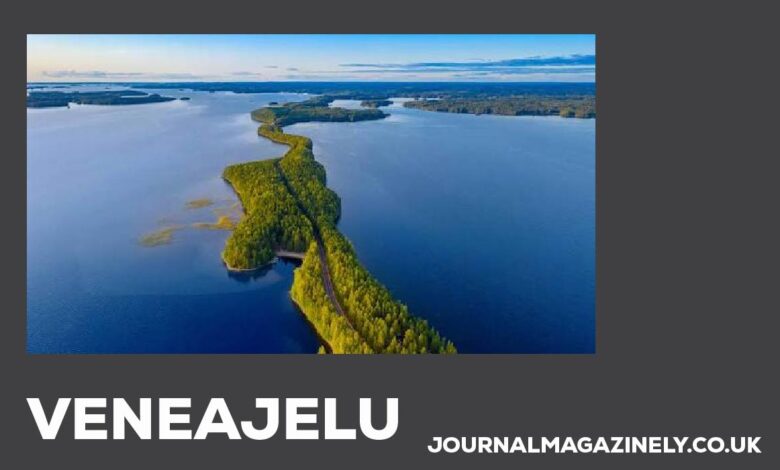
If someone wants to understand inland Veneajelu at its best, Finnish Lakeland is the place to begin. The region is famous for connected lakes, forested shores, quiet coves, and long open views. Water does not appear in one isolated place there. It stretches through the landscape and creates a setting where boating feels natural, easy, and central to the local way of life.
Lake Saimaa stands out as the best-known example. It is Finland’s largest lake and one of the defining waters of the country’s summer identity. Around Saimaa, Veneajelu can take many forms: a gentle row near a cabin, a day cruise, a fishing trip, or a scenic route between small harbors and nature destinations. The lake gives scale and beauty to the experience.
Lakeland also helps explain why Veneajelu feels more than recreational. In this part of Finland, water, forest, sauna, cottage life, and local food all connect. A boat ride is not separate from these things. It is one thread inside a complete summer lifestyle, which is why the topic has such rich writing potential.
The Coast, the Archipelago, and City-Based Veneajelu
Veneajelu in Finland is not limited to lakes. The coast and archipelago create a different but equally important version of the experience. Visit Finland describes the country’s coast and archipelago as the world’s largest archipelago, with more than 50,000 islands. That alone shows why boating is such a major part of travel and local life in these regions.
Around Turku and the wider Archipelago Sea, Veneajelu may include island hopping, ferry crossings, small harbor visits, and longer sailing routes. Some ferries are free and connect important island routes, making the boat journey part of normal movement through the region. This creates a special mix of beauty and practicality that is rare in many other countries.
Helsinki offers a more urban version. The city’s islands, sea fortresses, and nearby summer spots can be reached by ferry, charter boat, or guided cruise. That makes Veneajelu accessible even for short-stay visitors. A traveler does not need a remote cabin to experience it. In Finland, even the capital opens directly onto this water-based lifestyle.
How Veneajelu Supports Rest, Presence, and Human Connection
One reason Veneajelu stays meaningful is that it gives people something modern life often takes away: unforced calm. A boat ride on still water reduces noise, slows decision-making, and narrows attention to simple things like wind, light, distance, and direction. In that sense, the experience supports presence. It helps people feel where they are instead of rushing past it.
The emotional side matters just as much. Families create memories through repeated summer rides. Parents teach children how to row, how to tie a boat, and how to read the water. Friends talk more easily when phones are quiet and the landscape is wide. Couples often choose boat rides for the same reason: the setting removes pressure and invites a natural pace.
This does not need grand language to sound important. Veneajelu matters because it gives people time together in a simple environment. It can be joyful, reflective, playful, or deeply peaceful. That range is one of its strengths. A single boat ride may offer scenery, conversation, silence, and rest all in the same hour.
Veneajelu for Tourists and First-Time Visitors
Tourists can enjoy Veneajelu in Finland without needing advanced boating skills. Many cottage rentals include a rowing boat, and many coastal areas offer charters, local ferries, and sightseeing routes. This makes the experience easy to access at different budgets. A traveler can choose a simple lake outing, an island ferry ride, or a guided sea tour.
For first-time visitors, the most comfortable option is often a destination where boating connects naturally with other Finnish experiences. A lakeside cottage, a Lakeland resort, or an archipelago route works especially well because the boat ride becomes part of a full day that may also include sauna, swimming, walking, and local food. That gives the keyword real travel value.
The best advice is to choose the style of Veneajelu that matches the trip. Cottage visitors may prefer rowing and quiet shorelines. City travelers may enjoy ferry-linked islands around Helsinki. Archipelago explorers may want scenic routes through multiple islands. The keyword stays the same, but the experience changes beautifully with the place.
Safety Rules That Belong to Every Veneajelu Experience
A truly useful article on Veneajelu should include safety, because boating in Finland is beautiful but should never be treated casually. Finnish authorities stress boating rules, equipment, route awareness, and personal responsibility. Safety begins before the ride starts: check the weather, know the route, make sure communication works, and tell someone where you are going if the trip is longer.
Life jackets are one of the most important points. Finnish boating safety material repeatedly emphasizes their value, and accident reporting shows that lack of life jackets and alcohol are major risk factors in fatal boating cases. This is especially important in small boats, where weather may not be the main danger. Human choices often matter more than technical failures.
So the best Veneajelu is a relaxed one that is still prepared. Carry proper flotation gear, respect the boat’s limits, avoid alcohol, and do not assume calm water always means zero risk. Responsible boating does not weaken the pleasure of Veneajelu. It protects it, and it keeps the experience safe for everyone on board.
Everyman’s Rights, Respect for Nature, and Sustainable Veneajelu
Another important part of Veneajelu is understanding Finland’s relationship with nature access. Everyman’s Rights allow people to move in nature, including going boating in waterways, but this freedom always comes with responsibility. It does not mean doing anything you like. It means enjoying nature without causing harm, disturbance, litter, or unnecessary intrusion near homes and private spaces.
This matters on the water as much as it does on land. Good Veneajelu means respecting birds, shorelines, nesting areas, and the peace of other people. It means choosing quiet behavior, handling waste properly, and not treating lakes or the sea as a place for careless entertainment. The Finnish idea of access works because freedom is balanced by self-control and respect.
That is why sustainable Veneajelu is not a modern marketing phrase. It is part of the activity’s real logic. The whole experience depends on clean water, healthy ecosystems, and preserved silence. If these are damaged, the meaning of Veneajelu is damaged too. Protecting the environment is therefore part of protecting the tradition itself.
Why Veneajelu Still Matters in Modern Finland
Veneajelu remains relevant because it fits both old Finland and modern Finland at the same time. It belongs to history because boats once connected communities and daily work. It belongs to the present because many people still long for calm, closeness to nature, and meaningful outdoor experiences. Few traditions carry both practical history and emotional comfort so naturally.
The keyword also remains strong because it connects with many search interests at once. It can speak to language learners, travelers, culture readers, cottage tourists, boating enthusiasts, and people simply curious about Finnish life. That gives Veneajelu lasting content value. It is a small word, but it reaches into geography, heritage, leisure, and lifestyle in a very natural way.
In the end, Veneajelu matters because it expresses something essential about Finland. It shows how the country meets water: not only with infrastructure or sport, but with patience, familiarity, and appreciation. A boat ride may look simple from the outside, yet in Finland it often carries memory, place, season, and identity all at once.
For more information, visit Journal Magazinely