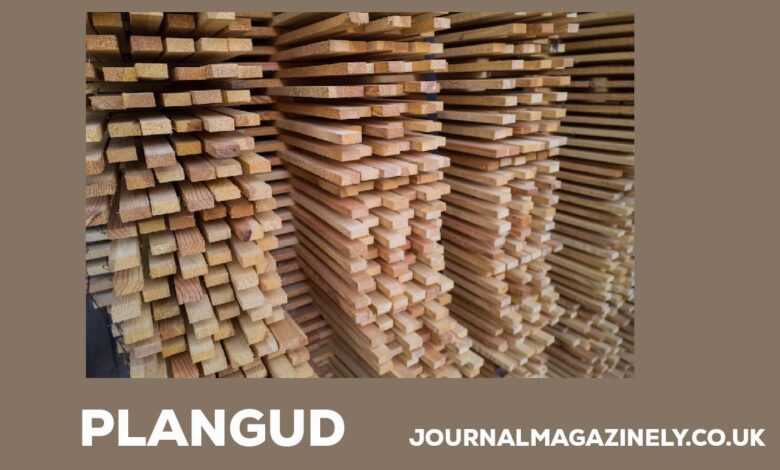
Plangud is a simple but useful material that fits into many types of building and design work. In most cases, the word refers to wooden planks prepared for practical use in homes, offices, furniture, and interior spaces. These planks are valued because they offer both function and natural beauty. They can be used in visible areas, such as floors and wall panels, or in more practical uses like shelving, cabinetry, and structural woodwork.
Many people search for Plangud because they want clear answers. They want to know what it is, how it is made, where it is used, and which type is best for a specific project. That is why this article focuses on useful, easy-to-follow information instead of overcomplicated terms or vague descriptions.
If you are new to this topic, the good news is that Plangud is not difficult to understand. Once you know the wood type, the purpose, and the level of care it needs, it becomes much easier to choose the right option.
What Is Plangud?
Plangud is best understood as a prepared wood plank used for building, carpentry, and design. It is not just rough timber cut from a tree. It is wood that has been shaped, dried, and finished so it can be used more safely and effectively in real projects.
In everyday use, Plangud can appear in many forms. It may be part of a wooden floor, a wall feature, a table, a shelf, a cabinet, or even a staircase. Because it is so flexible, it works well in both decorative and practical spaces. That is one reason it remains popular in homes and commercial interiors.
What makes Plangud useful is its balance. It can look attractive while still doing a hard job. Some materials only offer strength. Others only offer style. Plangud can do both when it is chosen and used properly.
How Plangud Is Made
The process starts with selecting the right timber. Good raw wood is important because the quality of the final Plangud depends on it. Once the timber is chosen, the bark is removed and the logs are cut into plank shapes based on the size and purpose of the product.
After cutting, the wood must be dried. This is one of the most important steps. Freshly cut wood contains moisture, and if that moisture stays inside, the plank may later bend, shrink, swell, or crack. To reduce this risk, the wood is dried either naturally through air-drying or more quickly through kiln-drying.
Once the drying stage is complete, the planks are trimmed, smoothed, and prepared for final use. Some may be polished, stained, sealed, or coated depending on where they will be installed. This finishing step improves the appearance of Plangud and also helps protect it from daily wear.
Types of Wood Used in Plangud
Plangud can be made from different kinds of wood, and each type brings something different to the finished product. Some woods are harder and stronger, while others are easier to shape and more affordable. This is why one Plangud option may suit flooring, while another may be better for furniture or decorative wall work.
Common wood types used in Plangud include oak, ash, pine, maple, walnut, and mahogany. Oak is often chosen for strength and durability. Ash is known for its toughness and lighter tone. Pine is popular in budget-friendly work because it is easier to handle and usually costs less. Maple is valued for its smooth appearance and clean finish.
Walnut and mahogany are usually seen as more premium choices. They are often selected when the look of the wood matters just as much as its function. Together, these options make Plangud suitable for a wide range of styles, budgets, and practical needs.
Oak, Ash, Pine, Maple, Walnut, and Mahogany Plangud
Oak Plangud is one of the most dependable options. It is strong, long-lasting, and often used in floors, cabinets, and furniture that need to handle regular use. Its grain is usually more visible, which gives it a natural and classic look that many people like.
Ash Plangud is also strong, but it often looks lighter and feels more modern. It works well in spaces where people want durability without a heavy or dark appearance. Pine Plangud is softer and usually more affordable. It is often used in shelves, paneling, and furniture where ease of use and cost matter more than maximum hardness.
Maple Plangud is known for its clean look and smoother grain. Walnut Plangud stands out for its darker color and richer appearance. Mahogany Plangud is often chosen for fine furniture and polished interiors because it gives a warm, refined finish. Each type has its own strengths, so the best choice depends on the project.
Benefits of Plangud
One of the main benefits of Plangud is its versatility. It can be used in floors, cabinets, tables, shelves, wall panels, and many other parts of a home or workspace. That makes it a practical option for people who want one material that can serve several purposes.
Another reason people choose Plangud is its appearance. Real wood adds warmth, texture, and character to a space in a way that many artificial materials cannot fully copy. A room with wood often feels more natural and more complete, whether the style is modern, rustic, or traditional.
Plangud is also valued because it can be cut, shaped, joined, and finished in different ways. This gives builders and carpenters more freedom during a project. For homeowners, it means more design choices without giving up the natural feel of wood.
Plangud in Flooring
Flooring is one of the most common uses of Plangud. Wooden plank floors are popular because they make a space feel warm, solid, and welcoming. They also work well in many settings, including bedrooms, living rooms, offices, and studios.
When Plangud is used for flooring, the type of wood matters a lot. Floors deal with daily foot traffic, furniture weight, and regular wear. Harder woods such as oak and maple are often better choices for these spaces because they hold up more effectively over time. Softer woods may still work, but they usually need more care.
The finish is just as important as the wood itself. A good finish helps protect the surface from scratches, moisture, and stains. For the best results, Plangud flooring needs the right wood, proper installation, and steady maintenance.
Plangud in Furniture and Cabinetry
Plangud is widely used in furniture and cabinetry because wooden planks provide both support and style. They can be turned into desks, dining tables, kitchen cabinets, shelves, wardrobes, benches, and many other everyday items.
One reason Plangud works so well in furniture is that it offers a flat and workable surface. It can be cut into panels, joined into frames, or shaped into custom pieces depending on the design. This makes it a practical choice for both simple furniture and more detailed woodwork.
The final look depends heavily on the wood type. Pine Plangud often suits simple and affordable furniture. Oak works well for strong, long-lasting pieces. Maple gives a cleaner and brighter finish, while walnut and mahogany are often chosen for furniture that needs a richer and more polished appearance.
Plangud in Wall Panels and Interior Design
Plangud is also a strong choice for decorative interior work. It can be used on walls, ceilings, room dividers, feature panels, and other surfaces where texture and warmth matter. In many interiors, wood helps soften the overall look and adds depth without making the space feel too busy.
Light Plangud can make a room feel open and fresh. Darker Plangud can create a more dramatic and elegant effect. This is why designers often choose different wood tones based on the mood they want to create. A bedroom may benefit from calm, soft wood tones, while a lobby or office may use darker wood for a stronger visual impact.
Another advantage is that Plangud works well with many other materials. It can be paired with paint, stone, metal, or glass, which makes it easier to use in different styles of interior design.
Plangud for Outdoor and Structural Use
Some types of Plangud can also be used outdoors or in support-based applications, but this depends on the wood and how it is treated. Decking, pergolas, garden seating, and certain framework elements may use plank-based wood materials when they are prepared correctly for outside conditions.
Outdoor use is more demanding than indoor use. Wood exposed to rain, sunlight, heat, and humidity needs extra protection. A plank that works perfectly well inside a room may not last the same way in an open garden or on an outdoor deck. That is why not every Plangud option is suitable for external use.
For outdoor or structural work, it is important to think beyond appearance. Strength, moisture resistance, treatment, and long-term care all matter. A good-looking plank is not enough if it cannot handle the conditions where it will be used.
How to Choose the Right Plangud
Choosing the right Plangud starts with the purpose of the project. A floor, a cabinet, a wall panel, and an outdoor bench all need different qualities. If the project involves regular wear, a stronger wood may be the better choice. If it is decorative, appearance may matter more than hardness.
Budget is another important factor. Some woods offer a premium look but come with a higher cost. Others are more affordable and still perform well in the right setting. Pine is often more budget-friendly, while walnut and mahogany are usually selected when people want a more luxurious finish.
It is also smart to think about maintenance before making a final choice. Some Plangud options are easier to care for than others. A beautiful material is only the right choice when it fits both the project and the level of upkeep the user can manage.
Maintenance and Care of Plangud
Good maintenance helps Plangud stay attractive and useful for a long time. In most cases, regular dusting and gentle cleaning are enough for daily care. Harsh chemicals should be avoided because they can damage the finish or reduce the natural beauty of the wood.
Moisture control is also important. Too much water can lead to swelling, staining, or surface damage. Very dry conditions can also affect the wood over time. That is why Plangud performs best when it is kept in a stable environment and protected from extreme exposure.
It also helps to inspect the surface from time to time. Small scratches, loose finish, or early signs of wear are much easier to fix when noticed early. With steady care, Plangud can remain both functional and visually appealing for many years.
Limitations of Plangud
Plangud is useful, but it is not perfect for every situation. Because it is a natural wood material, it can react to moisture, heat, and changing conditions. If it is not dried properly or if it is installed without care, it may bend, crack, swell, or shrink over time.
Natural variation is another point to consider. Two planks from the same wood type may still look slightly different in color or grain. Many people like this because it gives wood a natural and unique look. Others may prefer a more uniform finish, especially in very modern spaces.
Cost can also become a limitation. Premium Plangud options, especially those made from walnut or mahogany, may increase the budget of a project. That is why the right Plangud is not always the most expensive one. It is the one that matches the project honestly and practically.
Plangud, Sustainability, and Modern Trends
Today, more people want materials that are not only attractive but also responsibly sourced. This has made sustainability a more important part of wood selection. When timber is taken from well-managed sources and processed carefully, wood remains one of the most practical materials for design and construction.
Modern technology has also improved how Plangud is produced. Better cutting tools, improved drying systems, and more precise finishing methods help create planks with better consistency and quality. These changes make the material more reliable without taking away its natural charm.
Plangud also fits current design trends well. Warm textures, natural finishes, and simple interiors continue to be popular in homes and commercial spaces. Because of that, Plangud remains relevant in both classic and modern design work.
Conclusion
Plangud is a versatile wood-plank material that plays an important role in flooring, furniture, cabinetry, wall panels, interior design, and some outdoor projects. Its strength, natural beauty, and flexibility make it useful in many different settings.
The best results come from choosing the right wood for the right purpose. A good Plangud choice depends on where it will be used, how much wear it will face, how it will be finished, and how much maintenance it will need over time. These details matter more than appearance alone.
For beginners, the process becomes much easier when broken into simple steps. First, understand the project. Then compare wood types. After that, think about cost, care, and long-term use. With that approach, Plangud becomes a smart and dependable material choice rather than a confusing one.
For more information, visit Journal Magazinely