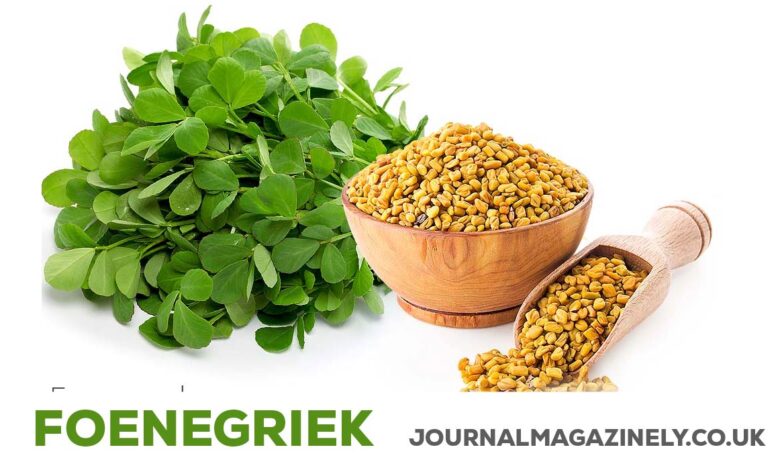
Foenegriek is one of those herbs that quietly does a lot. It has been part of traditional cooking and herbal use for centuries, yet many people are only now starting to notice how useful it can be. In English, Foenegriek is better known as fenugreek, and in many South Asian kitchens, its leaves are called methi.
Both the seeds and the leaves are used, which makes this plant especially practical. Some people know it for its strong aroma and slightly bitter taste, while others are more interested in its place in natural wellness. That is why Foenegriek keeps showing up in food articles, health discussions, and home remedies.
This guide explains what Foenegriek is, where it comes from, how it is used, what benefits people often connect with it, and what safety points beginners should know before using it more often.
What Is Foenegriek?
Foenegriek comes from the plant Trigonella foenum-graecum, an annual herb in the legume family. It produces small green leaves, pale flowers, and narrow pods filled with hard yellow-brown seeds. Those seeds are the part most people recognize, especially in spice mixes and traditional recipes.
The leaves are also edible and are used fresh or dried in many dishes. One reason Foenegriek stands out is its smell. The seeds have a warm scent that many people describe as slightly sweet, nutty, and similar to maple syrup.
The taste is stronger than the smell, with a noticeable bitterness that becomes milder when the seeds are cooked or toasted. Because both the seeds and leaves are useful, Foenegriek works as both a kitchen ingredient and a traditional household herb.
The Origin and History of Foenegriek
Foenegriek has a long history that stretches across several regions and cultures. It is linked to parts of the Mediterranean, the Middle East, and South Asia, where it became part of both daily food and traditional healing.
Ancient records show that people knew this plant thousands of years ago, and over time it earned a place in many food traditions because it was useful, easy to store, and strong in flavor. In some cultures, it was valued for digestion and strength.
In others, it became important because it added depth to simple meals. That long history matters because it shows that Foenegriek is not a modern trend or a passing health fad. It is an old herb that stayed relevant because generations of people found practical ways to use it in food, home care, and everyday life.
Why Foenegriek Still Matters Today
Modern interest in Foenegriek comes from the fact that it fits into more than one part of daily life. It is a spice, a leafy herb, and a traditional wellness ingredient all at once. That combination gives it lasting value. In cooking, it adds a deep, slightly bitter flavor that can make simple dishes taste more complete.
In nutrition discussions, it often appears because the seeds contain fiber and other useful plant compounds. Also, in wellness spaces, people talk about it in connection with digestion, blood sugar, and general balance.
Not every claim is equally strong, but the herb continues to attract attention because it sits at the meeting point of food and function. For beginners, that is what makes Foenegriek worth learning about. It is not just interesting in theory. It is something you can actually use in ordinary meals and routines.
Nutritional Profile of Foenegriek
Foenegriek offers more than aroma and taste. The seeds contain fiber, plant protein, and a mix of minerals that support normal body function. This is one reason the herb is often described as nutrient-dense. Even small amounts can bring more to a meal than flavor alone.
People often mention minerals such as iron and magnesium when talking about fenugreek, along with other trace nutrients that support energy use, metabolism, and overall wellness. The exact nutritional value depends on the form used and the quantity, but the bigger point is simple:
Foenegriek is not just a decorative spice. It is a food ingredient with real substance. That is part of the reason it has remained important for so long. In traditional kitchens, ingredients that offered both flavor and nourishment often became staples, and Foenegriek fits that pattern well.
Key Plant Compounds in Foenegriek
Part of the interest in Foenegriek comes from its natural plant compounds. These include fiber-related substances, saponins, alkaloids, and flavonoids, all of which help explain why the herb is often discussed in both nutrition and herbal research.
One of the better-known compounds in fenugreek is trigonelline, while diosgenin is often mentioned when researchers discuss the plant’s broader health potential. For beginners, the technical names matter less than the basic idea. Foenegriek contains more than ordinary nutrients.
It also has natural compounds that researchers believe may play a role in how the body responds to food, inflammation, and metabolism. That does not make the herb a cure or a miracle solution. It simply means Foenegriek has enough depth to be worth serious study. This helps explain why traditional use and modern interest continue to overlap.
Foenegriek and Digestive Support
Foenegriek is often connected with digestion, and this is one of the easiest parts of its reputation to understand. The seeds contain a good amount of fiber, and fiber is already well known for its role in digestive health.
Because of that, Foenegriek is often used by people who want to support regular digestion and feel more comfortable after meals. In traditional practice, it has also been used for stomach-related concerns, which adds to its long-standing connection with gut support.
Many people use the seeds in food, soak them in water, or prepare them as tea. These methods are simple and easy to fit into daily life. Still, it is best to be realistic. Foenegriek may help support digestion as part of a balanced diet, but it should not be treated as a quick fix for ongoing digestive problems that need medical attention.
Foenegriek and Blood Sugar Balance
One of the most common reasons people look up Foenegriek is its possible link to blood sugar support. This topic comes up often because some research suggests fenugreek may help support healthy blood sugar levels, especially in people already managing type 2 diabetes.
The main reason for this interest is the seed’s fiber content and the way some of its plant compounds may affect how the body handles carbohydrates. That said, this is an area where careful wording matters. Foenegriek is not a replacement for prescribed treatment, and it should never be presented as a cure.
A better way to understand it is as a supportive food ingredient that may fit into a broader health plan. People who already take diabetes medicine should be especially careful, because combining herbs and medication without guidance can lead to unwanted drops in blood sugar.
Foenegriek and Heart Health
Foenegriek is also mentioned in conversations about heart health, especially when people discuss cholesterol and long-term metabolic wellness. Some research has explored whether fenugreek may help support healthier cholesterol levels, and this interest is often linked to the seed’s fiber and saponin content.
These are the same reasons the herb is sometimes included in broader discussions about balanced eating and cardiovascular support. Still, beginners should keep the bigger picture in mind. Heart health depends on many daily habits, including sleep, exercise, body weight, smoking status, stress, and diet as a whole.
Foenegriek may be one useful ingredient within that larger picture, but it is not enough on its own. The most helpful way to use it is as part of a healthy routine, not as a shortcut. That balanced view is more honest and more useful for readers.
Foenegriek and Weight Management
Foenegriek sometimes appears in weight-related content, but the most sensible reason for that is its fiber. High-fiber foods often help people feel fuller for longer, and that can make it easier to manage appetite and reduce unnecessary snacking. In that way, Foenegriek may support weight goals indirectly.
It can be added to meals, teas, or seed-based routines that encourage more mindful eating. Still, it is important not to oversell this benefit. Foenegriek does not make weight loss happen by itself, and it does not cancel out poor eating habits.
Real progress in weight management still depends on overall food choices, activity, consistency, and patience. The value of Foenegriek here is practical, not magical. It may help support better eating patterns, especially when used in balanced meals that keep you satisfied and make it easier to stay on track.
Foenegriek in Women’s Health
Foenegriek is often discussed in women’s health, especially in relation to menstrual comfort, postpartum recovery, and breastfeeding. This is one of the oldest parts of its traditional reputation. In many households, fenugreek has been used in foods and home preparations for women during different life stages. Some people continue to use it today for these same reasons.
At the same time, this is an area where care is important. Research does not support every traditional claim equally, and results can vary from person to person. That means Foenegriek should be described as a traditionally used herb, not as a guaranteed answer.
For breastfeeding women in particular, it is best to speak with a healthcare professional before using supplements regularly. Food use is one thing, but concentrated products are different. Responsible advice matters more than exaggerated promises.
Foenegriek and Breastfeeding Support
Many people know Foenegriek because it is commonly mentioned as a natural galactagogue, which means a food or herb believed to support milk supply. This traditional use is well known and has been passed down in many communities. Some mothers say it helps, while others notice little or no difference.
That mixed experience is important to mention because it keeps the topic honest. Foenegriek should not be presented as something that works the same way for everyone. Milk supply can be affected by many factors, including feeding frequency, hydration, stress, latch quality, and overall health.
Because of that, it makes more sense to treat Foenegriek as one possible supportive option rather than a certain solution. Any breastfeeding mother considering capsules, extracts, or larger amounts should first speak with a qualified health professional, especially if she or the baby has other medical concerns.
Culinary Uses of Foenegriek
Foenegriek is at its most reliable in the kitchen. This is where most people can use it with confidence and enjoy its value right away. The seeds are often used whole, soaked, lightly roasted, or ground into spice mixes. The leaves can be used fresh or dried in breads, vegetable dishes, curries, and savory fillings.
One important detail for beginners is that Foenegriek has a strong flavor. Raw seeds can taste quite bitter, so many cooks prefer to toast them first to bring out a warmer, gentler aroma. The leaves are usually milder than the seeds and can add depth without taking over the dish.
This flexibility is one of the best things about Foenegriek. It can work in both simple home cooking and more layered traditional recipes. That makes it easy to start small and build confidence over time.
Foenegriek for Skin and Hair Routines
Foenegriek also has a place in traditional beauty routines, especially for hair and skin care. Many people soak the seeds, grind them into a paste, and use that paste in homemade masks for the scalp or face. The reason is simple. The seeds are often associated with softness, soothing care, and nourishment.
In hair routines, Foenegriek is commonly used in masks meant to support a healthier-looking scalp and smoother-feeling hair. In skin care, it appears in homemade preparations for people who prefer simple, plant-based ingredients. Even so, natural does not always mean risk-free.
Some people may develop irritation or allergic reactions, especially if they already react to legumes. For that reason, it is wise to test a small amount first before applying it more widely. Foenegriek can be a useful part of natural care, but it should be used with awareness.
Different Ways to Use Foenegriek Daily
One reason Foenegriek continues to stay popular is that it is easy to fit into ordinary routines. You do not need a complicated wellness plan to use it. Some people prefer to cook with the seeds in curries, lentils, or pickles. Others use dried leaves in breads or vegetable dishes.
Some like to soak the seeds overnight and use them in small amounts the next day. Tea is another common option for people who want a simple method. Powdered Foenegriek can also be added to spice blends, sauces, or other savory recipes.
The best approach for beginners is to start with food. That lets you get used to the flavor and see how your body responds without jumping straight into supplements. Small, steady use is usually more practical than doing too much at once, especially with an herb that has such a distinct taste and aroma.
Side Effects and Safety of Foenegriek
A good article about Foenegriek should be honest about safety, because herbs can be useful without being harmless for everyone. The most common side effects are digestive, including gas, loose stools, or stomach discomfort, especially when large amounts are used.
Some people may also notice a sweet, maple-like smell in sweat or urine after regular use. Allergic reactions are another concern, particularly for people who already react to legumes such as chickpeas or peanuts. Foenegriek can also interact with certain medicines, including blood sugar drugs and blood thinners.
That is why people with medical conditions should be careful with supplements or high doses. Pregnancy deserves extra caution as well. Normal food use is one thing, but large supplemental amounts are different. When health conditions or medicines are involved, professional advice is the safest and smartest approach.
Conclusion
Foenegriek is an old herb with lasting value because it combines flavor, tradition, and practical use in a way that still fits modern life. It has a long history in cooking and household wellness, and that long record helps explain why people continue to trust it.
The seeds and leaves are both useful, which makes the plant especially versatile. Foenegriek is often discussed for digestion, blood sugar support, and other health-related topics, but the strongest reason to appreciate it is simpler than that. It is a useful food ingredient with real cultural depth and a place in everyday cooking.
For beginners, that is the best place to start. Learn its taste, use it in meals, and understand its strengths without expecting too much from a single herb. Used thoughtfully, Foenegriek can be a meaningful part of a balanced and informed lifestyle.
For more information, visit Journal Magazinely