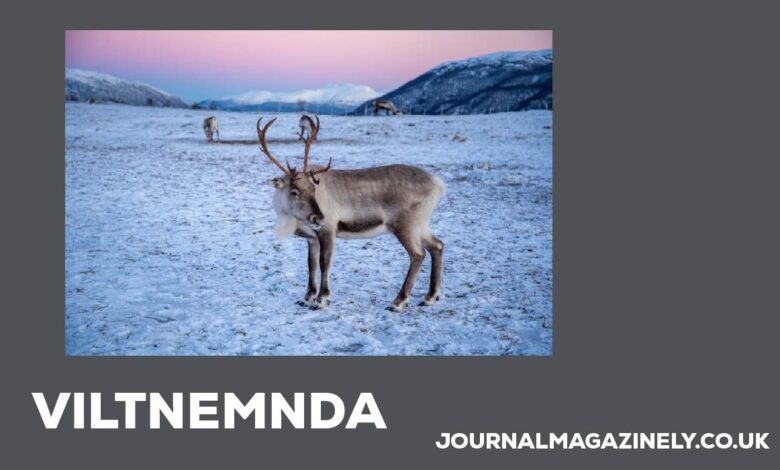
Viltnemnda is a local body connected to wildlife management in Norway. In simple terms, it refers to the part of the municipal system that deals with wildlife, hunting issues, and practical decisions about animals in the local area. The word is often used in older and newer contexts, so the exact setup can vary from one municipality to another.
In some places, Viltnemnda is still a named committee. In others, the same work is handled by municipal staff or another local body. Even when the structure differs, the purpose is much the same. Viltnemnda is there to connect national wildlife rules with local conditions, local knowledge, and local action.
That is why Viltnemnda is an important term in Norway. It helps explain how wildlife management works on the ground, not just in law books or national policies.
Why Viltnemnda Matters
Viltnemnda matters because wildlife management is local by nature. Animals move through forests, roads, farmland, neighborhoods, and open land. Problems related to wildlife also happen locally. A moose on the road, a deer population growing too large, or an injured animal near a village all require a quick and practical response.
A central government can create laws, but it cannot manage every local wildlife situation on its own. Municipalities need a system that understands their own landscape, species, and challenges. That is where Viltnemnda becomes important.
It helps balance different needs at the same time. Wildlife must be protected, but public safety also matters. Hunting traditions may continue, but they must stay sustainable. Landowners, hunters, drivers, and residents all have an interest in how wildlife is managed. Viltnemnda supports that local balance and gives structure to decisions that affect both people and nature.
The Historical Meaning of Viltnemnda
The term Viltnemnda has a strong historical background in Norway. Older reference sources describe Viltnemnd as the local wildlife committee that handled parts of wildlife management at the municipal level. This older meaning still shapes how people understand the word today.
For many years, Viltnemnda had a more clearly defined formal role. It was closely connected to local hunting matters, game management, and the practical side of wildlife administration. The reason this history matters is simple. Many people still search for Viltnemnda expecting that older meaning, while current municipal practice may look slightly different.
If you leave out the history, the topic becomes confusing. A good explanation of Viltnemnda should show that it is both a historical term and a modern local wildlife-management concept. The form may have changed over time, but the link between Viltnemnda and local wildlife responsibility remains central.
How the Municipal Role Changed
A major change came when wildlife responsibility became more clearly tied to municipalities. After that, local governments had greater flexibility in how they organized this work. Some municipalities kept a dedicated wildlife committee. Others gave the same responsibilities to another committee or to the administration.
This is one reason people sometimes find mixed information when they read about Viltnemnda. One source may describe a formal committee, while another may describe wildlife work being handled by municipal staff. Both can be correct, depending on the municipality and the period being described.
The key point is that the local role did not disappear. It changed in form. The work still includes wildlife management, hunting matters, and local response to animal-related issues. When writing about Viltnemnda, it is important to explain this clearly so beginners understand why the term still matters even when the structure is not exactly the same everywhere.
The Legal Framework Behind Viltnemnda
Viltnemnda is part of a legal system, not just a local tradition. Wildlife management in Norway is guided by national laws and regulations that shape what municipalities can do and how local decisions should be made. This gives the system order and accountability.
For many years, the older Wildlife Act was a key part of this framework. More recently, Norway adopted the new viltressursloven, which replaced the older law. The newer law keeps much of the same foundation but updates the structure for modern wildlife management.
This matters because local wildlife decisions are not made in isolation. Hunting rules, wildlife response, and population management all have to fit within national law. A beginner-friendly article should make this point clear. Viltnemnda is local in practice, but it operates inside a national system that aims to support sustainable wildlife management, responsible use of natural resources, and clear legal procedures.
Viltnemnda in Modern Wildlife Management
Today, Viltnemnda is best understood as part of the municipality’s wildlife-management system. It connects local knowledge with local decisions. In practice, this can include work related to deer species, hunting administration, wildlife incidents, and communication with landowners, hunters, and the public.
The exact structure may differ from one municipality to another, but the purpose is still practical. Wildlife management needs people who understand the local area. Animal populations, traffic risk, land use, and habitat conditions are not the same everywhere. A rural forest municipality may face different issues than a coastal or urban-edge municipality.
That is why Viltnemnda remains useful as a concept. It describes the local side of wildlife governance. It is where wildlife law becomes everyday practice. Instead of being an abstract topic, it becomes something concrete that affects roads, farms, hunting, safety, and the way local communities live with wildlife.
Viltnemnda and Hunting
One of the most important parts of Viltnemnda is its connection to hunting. In Norway, hunting is not treated only as recreation. It is also part of wildlife management. Local systems help make sure hunting happens within legal limits and supports long-term balance in wildlife populations.
This includes questions about which species may be hunted, how local management is handled, and how hunting fits into the wider goal of sustainable use. Species such as moose, red deer, and roe deer are especially important in this context. Their populations affect roads, forests, farmland, and local ecosystems.
Viltnemnda is therefore closely linked to hunting administration. A good article should make clear that this is not only about allowing hunting. It is also about planning, responsibility, and population balance. Sustainable hunting depends on rules, data, and local oversight, and Viltnemnda helps support that process at the municipal level.
Population Management and Local Knowledge
Wildlife population management is one of the clearest reasons Viltnemnda exists. Local authorities need a way to respond when animal numbers become too high, too low, or out of balance with the land and community around them. This is especially important for larger species such as moose and deer.
Too many animals in one area can lead to more road accidents, crop damage, and pressure on habitats. Too little control can create long-term problems for both nature and people. At the same time, poor decisions can also harm wildlife if they are not based on local knowledge.
That is why Viltnemnda is tied to observation, reporting, and planning. Local input matters. Hunters, landowners, municipal staff, and others who know the land can help shape smarter decisions. This makes wildlife management more grounded in reality. It is not just about rules on paper. It is about understanding what is happening in a specific place and responding in a sensible way.
Injured Wildlife and Roadkill
Viltnemnda is also connected to one of the most practical parts of wildlife management: injured animals and roadkill. In Norway, wildlife is often involved in traffic accidents, especially in areas with large deer populations. When that happens, there must be a clear system for reporting and response.
This is where local wildlife management becomes very visible to the public. People may need to report a collision, identify an injured animal, or contact the right authority quickly. In many municipalities, there are local routines for how this should be handled and who should be contacted first.
This side of Viltnemnda shows why the topic matters beyond hunting. It is also about public safety, animal welfare, and responsible local action. A beginner reading about Viltnemnda should understand that it is part of the wider response system that deals with wildlife when something goes wrong, especially on roads and in populated areas.
Fallvilt and Ettersøk
To understand Viltnemnda better, it helps to know two related terms: fallvilt and ettersøk. Fallvilt usually refers to wildlife that is dead, injured, or sick and requires official follow-up. Ettersøk refers to the search for injured game, often after hunting or traffic incidents.
These terms matter because they show how organized wildlife response works in Norway. The system is designed to reduce suffering and make sure injured animals are not left without follow-up. That requires trained people, clear procedures, and local coordination.
Viltnemnda is closely linked to this practical side of wildlife work. It is not only about meetings or formal decisions. It is also tied to systems that support humane handling, legal responsibility, and rapid local response. This makes the topic easier for beginners to understand. Viltnemnda is not just a name in public administration. It is part of how Norway deals with real wildlife situations in a responsible and structured way.
Human-Wildlife Conflict
Human-wildlife conflict is another important part of the Viltnemnda topic. These conflicts can happen when animals damage crops, move into dangerous traffic areas, or create concern near homes and farms. In each case, local authorities need a way to respond without overreacting or ignoring the problem.
Viltnemnda helps provide that local structure. It supports a system where wildlife issues can be handled in a lawful, practical, and more balanced way. Instead of treating every wildlife problem as an emergency or a political argument, the municipality can use established routines and local knowledge to decide what should happen next.
This is one reason the term Viltnemnda remains relevant. It reflects a practical approach to coexistence between people and wildlife. It recognizes that wildlife is valuable, but it also accepts that local communities need safety, clarity, and workable solutions when conflicts appear.
Wildlife and Biodiversity
Although Viltnemnda is often linked to hunting and local wildlife problems, the topic is broader than that. Wildlife management also supports biodiversity and long-term care for natural resources. Good local decisions can help protect habitats, keep wildlife populations healthy, and support a more stable ecological balance.
This is why Viltnemnda should not be described only as a hunting committee. It is part of a wider conservation and stewardship system. Sustainable wildlife management is about use, but it is also about limits, protection, and responsibility.
For beginners, this is an important point. Wildlife management does not mean choosing between people and nature. In the best cases, it means managing natural resources carefully so both can continue to thrive. Viltnemnda fits into that goal by helping municipalities make local wildlife decisions that support the future health of species, habitats, and communities.
Why Viltnemnda Still Matters Today
Viltnemnda still matters because local wildlife management is still necessary. Norway continues to face questions about hunting, wildlife populations, traffic safety, land use, and animal welfare. These are not old issues that have disappeared. In many places, they are becoming more visible and more debated.
At the same time, municipalities do not all look the same. Their geography, wildlife pressure, and administrative systems vary. That means local wildlife management must stay flexible. Viltnemnda remains a useful concept because it explains the local part of that work, even when the exact organizational model differs.
For anyone trying to understand wildlife governance in Norway, Viltnemnda is a key term. It helps explain how national rules meet local reality. It also shows that responsible wildlife management depends on more than law alone. Its depends on practical local systems, local knowledge, and a steady effort to balance people, wildlife, and the landscape they share.
For more information, visit Journal Magazinely