What Is Kinervus? Services, Neurological Rehabilitation, Pediatric Therapy, and More

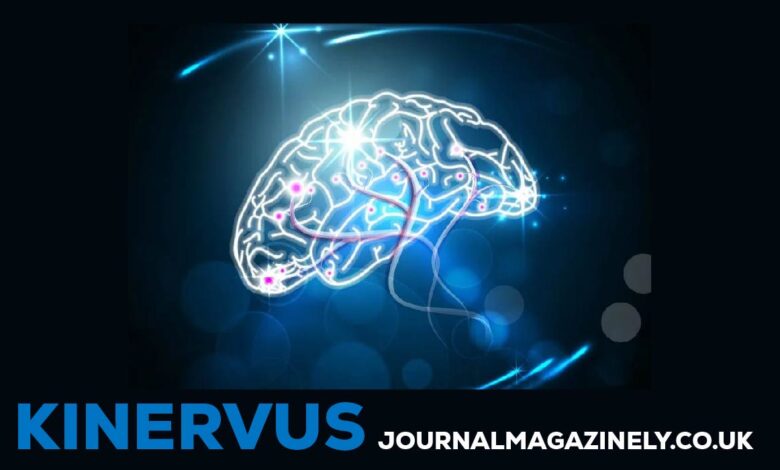
Kinervus is a specialized physiotherapy and rehabilitation practice in Alken, Limburg, Belgium. When people search for this keyword, they are not usually looking for a broad medical theory or a generic nerve treatment. They are looking for a real clinic that focuses on personalized rehabilitation, especially in neurological care, pediatric support, manual lymphatic drainage, and related physiotherapy services. That makes Kinervus a branded healthcare topic, and understanding it properly starts with understanding the practice itself rather than treating it like an abstract medical concept.
The clinic was founded in 2019 and presents itself as a group practice that works with treatments tailored to the person, not just the diagnosis. That point matters because many patients are not only dealing with pain or limited movement. They are also dealing with daily life problems, such as walking safely, improving balance, helping a child build motor skills, or managing swelling and recovery over time. Kinervus positions itself as a place where these concerns are handled with attention, structure, and individualized care.
For that reason, Kinervus has gained attention as a local name in rehabilitation rather than as a one-size-fits-all physiotherapy office. Its official pages emphasize specific specialties, clear practical guidance, and therapy plans built around the patient’s actual needs. This combination makes Kinervus important not only as a keyword but as a healthcare provider with a defined role in its region.
What Is Kinervus?
Kinervus is a rehabilitation and kinesitherapy group practice based in Alken. In simple words, it is a clinic where patients can receive targeted physiotherapy and rehabilitation support for neurological conditions, children’s motor challenges, lymphatic issues, and other movement-related needs. The official website presents Kinervus as a place for customized treatment, and that makes it different from content online that may wrongly describe it as a generic medical technique or a scientific nerve-regeneration therapy.
This distinction is very important. The keyword “Kinervus” can sound like the name of a therapy method or a medical product, but first-page search results point to a real healthcare practice with a physical location, treatment pages, contact information, and a clinical team. So, when writing about Kinervus, the most accurate and useful approach is to explain the clinic, its services, and its patient focus. That is what aligns with actual search intent and what readers are most likely trying to understand.
Kinervus can therefore be understood as both a healthcare brand and a place of treatment. It is a brand because it has a clear identity, named specialties, and a visible online presence. It is also a clinic because it offers appointments, patient assessments, therapy sessions, and practical care. That blend of identity and service is what defines the meaning of Kinervus in today’s search results.
The Story Behind Kinervus
Kinervus was founded in 2019 by Stefanie Ver Eecken, who is from Alken and built the practice around her interest in the human body, rehabilitation sciences, and patient contact. On the clinic’s official background page, she explains that her path into kinesitherapy came from both scientific interest and the social side of helping people. That combination says a lot about the clinic’s identity, because Kinervus is not presented as a fast, impersonal service. It is presented as a practice built with both technical knowledge and human connection in mind.
After her initial studies, Stefanie Ver Eecken chose to deepen her expertise in neurological rehabilitation. She also completed additional study in manual lymphatic drainage according to the Vodder method. These choices shaped the practice from the start, because they gave Kinervus a more specialized profile than many general physiotherapy settings. Instead of trying to be everything for everyone, the clinic built its name around a focused set of services with strong rehabilitation value.
Her stated motivation is also revealing. She explains that she wants to work with each patient toward specific goals and keep moving those goals forward to reach the best possible outcome. That goal-based mindset is one of the strongest themes in the Kinervus identity. It shows that the practice is built around progress, function, and practical improvement rather than passive treatment alone.
Where Kinervus Is Located and Why That Matters
Kinervus is located at Steenweg 121 Z/C, 3570 Alken, in Limburg, Belgium. That location matters because healthcare decisions are often local. Many people searching for Kinervus are not just curious about a name. They are likely looking for a specialized clinic near them or evaluating whether the practice is relevant for their rehabilitation needs. A clear local identity helps patients connect the keyword to a real place where treatment is actually delivered.
The local importance of Kinervus becomes even clearer when looking at its practical and contact pages. The clinic lists appointment details, opening hours, phone and email contact, and patient instructions for first visits. This is the kind of information people expect from a real treatment provider, and it reinforces that Kinervus is a structured, patient-facing practice rather than a vague healthcare concept. The website also shows that appointments are arranged in advance, which supports a more organized and attentive treatment process.
Being rooted in Alken also supports the clinic’s trust and identity. Stefanie Ver Eecken notes that she opened her own practice in the town she comes from, which adds a local and personal dimension to the story. For many patients, that kind of community connection can matter because it suggests continuity, accountability, and long-term commitment to the area being served.
The Main Focus of Kinervus
The official homepage makes it clear that Kinervus is centered around several core areas: neurological rehabilitation, pediatric rehabilitation, manual lymphatic drainage, and group-based support services. The team page also shows additional expertise in areas such as musculoskeletal rehabilitation, manual therapy, and dry needling, but the strongest public identity of the clinic still comes from its rehabilitation-focused specialties. This balance gives Kinervus a clear direction without making the practice seem narrow or limited.
What stands out most is that the clinic does not describe treatment in a generic way. Instead, it repeatedly emphasizes care that is adapted to the individual situation. That matters because rehabilitation is rarely identical from one patient to another. Two people may have the same diagnosis but very different strengths, limitations, routines, and recovery goals. A practice built around adaptation is often more useful for these complex realities than a clinic built around fixed routines.
This focus also helps explain why Kinervus appeals to different types of patients. Some people need support after a stroke or with Parkinson’s disease. Others are parents looking for pediatric guidance. Others may need help with swelling, movement problems, balance, or daily function. Kinervus brings these needs together under one rehabilitation-centered model, which is one reason the clinic stands out in its local market.
Neurological Rehabilitation at Kinervus
Neurological rehabilitation is one of the most important services at Kinervus. The clinic explains that this kind of rehabilitation is mainly aimed at patients with problems affecting the neurological system, including the brain, spinal cord, and nerves throughout the body. This immediately places Kinervus in a serious and specialized area of care, because neurological conditions often affect movement, balance, coordination, strength, and independence in daily life.
The treatment page specifically mentions people with stroke, spinal cord injury, multiple sclerosis, ALS, Parkinson’s disease, traumatic brain injury, neuromuscular muscle diseases, peripheral injuries, and vertigo complaints. This is a broad but clearly defined patient group. It shows that Kinervus works with conditions that can be long-term, progressive, or life-changing, and that therapy is designed around maintaining or improving real function rather than offering unrealistic promises.
Kinervus says its neurological therapy mainly consists of exercise therapy adapted to the patient’s needs. The clinic looks together with the patient at which daily activities are difficult and where more support is needed. That practical approach is very important. It means the goal of therapy is not exercise for its own sake. The goal is better living, better movement, and the highest possible level of functioning in everyday life.
How Kinervus Supports Daily Function in Neurological Care
A strong point in the Kinervus neurological model is its focus on daily tasks. Many neurological patients are not only trying to improve muscle strength or coordination in a general sense. They may be trying to stand safely, turn in bed, reach for objects, maintain balance, walk with more confidence, or reduce the risk of falling. The official site shows that Kinervus understands this practical side of rehabilitation and uses therapy to support actual life situations, not only clinical exercises.
This approach is especially valuable in chronic or progressive conditions. Kinervus states that with chronic disorders, therapy may aim to slow the disease process and preserve function. That is a realistic and clinically responsible way to describe rehabilitation. It recognizes that progress does not always mean cure. Sometimes progress means maintaining independence longer, improving quality of life, or helping the patient stay more active and secure in daily routines.
The group lesson page adds more detail to this idea by describing exercises that work on posture, balance, condition, arm-hand use, and functional movements such as getting up after a fall or turning in bed. Even though these examples appear in the group setting, they also show the clinic’s broader philosophy. Kinervus sees rehabilitation as something that should connect clearly to the real movements people need every day.
Pediatric Rehabilitation at Kinervus
Pediatric rehabilitation is another major pillar of Kinervus. The clinic explains that its goal as a pediatric physiotherapy provider is to support children in their development and motor challenges. It also states that it strongly believes in a multidisciplinary approach involving professionals from healthcare, education, and welfare. That is a meaningful point because children often need support that goes beyond a single therapy room. They may benefit most when therapists, parents, teachers, and other professionals work toward the same goals.
The clinic describes its pediatric approach as creative and individualized. It says therapy programs are developed to match the specific needs of each child and that play and enjoyment are seen as essential parts of the therapeutic process. This is important because children do not usually respond well to treatment that feels rigid or purely mechanical. When sessions are interactive and motivating, children are more likely to stay engaged, try new movements, and build confidence along with skill.
Kinervus also lists a range of motor issues it supports, including posture preference, laterality problems, psychomotor issues, writing problems, neuromotor conditions such as cerebral palsy and spina bifida, and general delayed motor development. That list shows the clinic’s pediatric work is not limited to one narrow problem. It covers a wide field of developmental and motor support in a structured way.
Why the Pediatric Approach at Kinervus Stands Out
What makes the pediatric side of Kinervus especially strong is the way it combines clinical precision with child-friendly care. The official page does not simply say that children are treated. It explains that therapy is shaped creatively, built around the individual child, and designed to keep sessions enjoyable and motivating. That matters because successful pediatric rehabilitation often depends on more than technical skill. It depends on trust, patience, flexibility, and the ability to meet children at their level.
The clinic’s emphasis on play is also more important than it may first appear. Play is not only entertainment in a therapeutic setting. It can be a way to teach movement, improve coordination, build body awareness, and support repetition without creating frustration. When children feel safe and interested, they are often more willing to take part in activities that help develop motor skills. Kinervus clearly builds this idea into its pediatric model.
The multidisciplinary focus adds another layer of strength. By recognizing the value of collaboration with professionals in health, education, and welfare, Kinervus presents pediatric therapy as part of a wider support system. That is a mature and realistic view of child development, because progress often happens best when the child receives similar support across different environments.
Manual Lymphatic Drainage at Kinervus
Manual lymphatic drainage is one of the signature specialties associated with Kinervus. The clinic explains that the body contains a large amount of fluid and that the lymphatic system works as an important drainage network for fluid, proteins, waste materials, and bacteria. When that system does not function well enough, fluid can build up and lead to lymphedema. In that situation, manual treatment may be needed to support fluid movement.
Kinervus offers manual lymphatic drainage according to the Vodder method. The site describes this as a gentle massage form using spiral-shaped pressure on the lymph vessels and lymph nodes to stimulate the passage or absorption of fluid. It can also involve adapted pressure on the veins and can be applied across the body. This description presents the therapy as specialized, controlled, and adapted rather than aggressive or forceful.
The clinic further notes that the aim of this technique is to stimulate fluid circulation, reduce stagnation, lower stress, support immunity, and improve hormonal system function. Kinervus also explains that bandaging or kinesiotaping can be used as additional support in some cases and that the duration and frequency of sessions are built individually based on the complaint. That again reflects the clinic’s personalized treatment style.
Kinesiotaping and Supportive Treatment at Kinervus
Kinesiotaping is another service highlighted by Kinervus. The clinic explains that kinesiotaping supports the body’s natural recovery processes and helps stimulate the recovery of muscles and tendons through therapeutic tape. It also says the tape works according to the principles of kinesiology and supports normal physiological movement. This presents kinesiotaping as a supportive tool, not as a stand-alone miracle solution, which is a sensible and trustworthy way to describe it.
According to the treatment page, kinesiotape can be used in many types of complaints, including muscle injuries, pain control, ligament injuries, scars, hematomas, lymphatic problems, and muscular dystrophy-related complaints. The page also names common physical issues such as back complaints, neck complaints, knee complaints, general muscle problems, joint problems, tendon complaints, sprains, and bruises. This shows that the clinic uses taping as part of a broader rehabilitation toolbox.
An important detail is that kinesiotaping fits naturally with the other Kinervus specialties. It can support musculoskeletal complaints, help alongside lymphatic treatment, and complement rehabilitation plans where movement support is useful. That makes it a practical example of how the clinic combines different methods to match the patient’s actual condition instead of relying on one single approach for every case.
Group Lessons and the Value of Shared Rehabilitation
Kinervus also offers group lessons, and this part of the clinic says a lot about its broader rehabilitation philosophy. The group lesson page explains that these sessions create a structured and varied environment that helps motivation and consistency and can support long-term health benefits. Sessions last 60 minutes and are designed to increase exercises, repetitions, and physical activity while covering themes that match patient interests. This turns rehabilitation into something regular, active, and meaningful.
The clinic says that each group lesson is guided by multiple specialized therapists with expertise in neurological rehabilitation. That is a strong detail because it shows the sessions are not casual exercise classes. They are supervised therapeutic settings where exercises can be adjusted to individual needs. The page also says the lessons create a platform for education about the condition, treatment options, and self-management strategies, helping patients become better informed and more empowered.
There is also a social dimension. Kinervus explains that group lessons can reduce feelings of isolation that often come with neurological disorders and can create connection, support, and understanding between participants. In rehabilitation, that emotional and social value can be just as important as the physical training itself, especially for patients living with long-term conditions.
The Team Behind Kinervus
Kinervus is not presented only as a founder-led practice. It also has a team structure, and that adds depth to the clinic’s expertise. The team page shows several professionals with different specializations, including neurological rehabilitation, manual lymphatic drainage according to the Vodder method, manual therapy, dry needling, musculoskeletal and sports rehabilitation, pediatric rehabilitation, and care for neurological and pediatric conditions. This suggests that the clinic can support a broad range of patient needs while still keeping rehabilitation at its center.
The team page lists Stefanie together with other therapists such as Annelien, Tule, Anse, and Cécile, each with specific fields of focus. This matters because rehabilitation often works best when patients can benefit from different strengths within one practice. A child with developmental issues, for example, may not need the same type of therapist as an adult with Parkinson’s disease or someone recovering from an injury. A team model allows better matching of patient and clinician.
At the same time, the clinic still keeps a personal tone. Even on the team page, there is an effort to show the people behind the practice, not only their qualifications. That human touch supports the larger Kinervus identity. It feels like a clinic that values professionalism but also wants patients to feel comfortable with the people guiding their recovery.
The Patient Experience at Kinervus
The practical information page gives a good picture of what patients can expect when starting care at Kinervus. The clinic states that treatments are always by appointment. It recommends calling so that the appointment can be confirmed directly, though contact by website message or email is also possible. This indicates a clinic that values clear scheduling and personal coordination instead of leaving the process vague or uncertain.
For the first visit, patients are asked to bring an identity card, a health insurance sticker or mutuality information, and a doctor’s prescription. The clinic also notes that if the patient has a medical file or medication list, it is useful to bring that along so the record can be prepared accurately. These small details matter because they show that Kinervus treats rehabilitation as a serious healthcare process with careful preparation and individualized assessment.
The same page advises patients to wear comfortable clothes and sporty shoes during therapy. It also notes that cancellations should be communicated in time and by phone, otherwise the treatment may still be charged. Together, these details show a structured, professional, and patient-oriented setup. They may seem simple, but they help create the organized environment many patients need when beginning rehabilitation.
Why Kinervus Stands Out
Kinervus stands out because it combines specialization with accessibility. Many clinics can offer general physiotherapy, but not every clinic places such clear emphasis on neurological rehabilitation, pediatric care, manual lymphatic drainage, and guided group-based support under one identity. The official site gives the impression of a practice that knows exactly what it wants to offer and who it wants to help. That clarity is often a major strength in healthcare.
Another strength is the repeated focus on individualized care. Across the founder page, treatment pages, and practical information, Kinervus consistently presents therapy as something adapted to the person’s condition, goals, and daily reality. This is especially valuable in rehabilitation, where patient progress can depend heavily on tailoring, repetition, motivation, and realistic planning. It helps explain why the clinic has built a strong branded identity around treatment “on your measure.”
Finally, Kinervus stands out because it feels both professional and human. The clinic communicates expertise, named specialties, and structured services, but it also shows warmth, local identity, and a clear wish to help patients move toward meaningful goals. For many readers and potential patients, that combination is exactly what makes Kinervus memorable and trustworthy.
Conclusion
Kinervus is best understood as a specialized rehabilitation and physiotherapy practice in Alken, Belgium, founded in 2019 by Stefanie Ver Eecken. Its identity is strongly built around neurological rehabilitation, pediatric rehabilitation, manual lymphatic drainage, kinesiotaping, and guided support through a team-based and patient-centered model. For anyone searching the keyword today, this is the real meaning of Kinervus and the most useful way to understand its place in healthcare.
What makes Kinervus important is not only the list of services it offers, but the way those services are framed. The clinic focuses on specific goals, individualized therapy, practical function, and support that fits real daily life. Whether the patient is an adult facing neurological challenges, a child needing help with motor development, or someone requiring lymphatic treatment or supportive taping, the clinic’s approach is built around tailored rehabilitation rather than generic care.
In that sense, Kinervus represents a modern rehabilitation model: local, specialized, organized, and human. It is a clinic with clear expertise and a clear mission, and that is why the name continues to attract attention. For readers, patients, and families trying to understand what Kinervus is, the answer is simple: it is a focused rehabilitation practice that aims to help people function better, feel better supported, and move forward with greater confidence.
For more information, visit Journal Magazinely